What Does Ozempic Do to Your Teeth? Oral Effects & Care

Ozempic does not appear to directly damage teeth or weaken enamel as a drug effect on the tooth itself. The bigger issue is that it can change appetite, stomach symptoms, hydration, and daily habits in ways that affect oral health.

Some people notice dry mouth, nausea, reflux, or vomiting, and those problems can raise the risk of cavities, enamel wear, bad breath, and gum irritation. Others may eat less often, snack differently, or fall behind on brushing when they do not feel well, which can also change what a dentist sees during an exam.

The key point is simple. If oral symptoms begin after starting Ozempic, the medication may be part of the picture, but it is not the only possible cause.

Synergy Dental Center offers a biologic exam in Gillette, WY and provides the kind of whole-body dental evaluation that can help when mouth changes follow a new medication.

Why a Diabetes or Weight-Loss Medication Can Affect the Mouth

Ozempic is a brand name for semaglutide, a medication used for type 2 diabetes and, in some cases, weight management. It works in part by slowing stomach emptying, reducing appetite, and changing blood sugar regulation.

Those body-wide effects can influence the mouth. Dentists often look at oral symptoms as part of a larger system, not just as an isolated tooth problem.

Saliva is one of the mouth's main protective factors. If a medication, reduced fluid intake, nausea, or less frequent eating leads to lower saliva flow, teeth lose some of their natural defense against acid and bacteria.

Stomach symptoms matter too. Reflux allows stomach acid to move up into the throat or mouth, and repeated acid exposure can soften enamel over time.

Vomiting can have a similar effect and may cause faster erosion if it happens often. When people also feel queasy, tired, or dehydrated, oral hygiene routines may slip and food choices may shift toward frequent small snacks or bland carbohydrates, which can further increase cavity risk.

Oral Symptoms People May Notice

The most common dental complaints linked to Ozempic are usually subtle at first. They often begin as small changes that become more noticeable over a few weeks or months.

Dry Mouth and Sticky Saliva

Dry mouth can make the mouth feel tacky, rough, or unusually thirsty. Some people also notice thick saliva, trouble swallowing dry foods, or waking up with a dry tongue and bad breath.

This matters because saliva helps neutralize acid, wash away food debris, and support a healthier balance of oral bacteria. When the mouth stays dry, cavity risk can increase, especially along the gumline and around older fillings.

Bad Breath and Altered Taste

Bad breath may come from dry mouth, reflux, or food sitting in the stomach longer than usual. A sour taste, bitter taste, or unpleasant morning breath can also happen when acid reaches the throat or mouth.

These symptoms are not specific to Ozempic alone. Sinus problems, gum disease, tonsil debris, and other medical causes can look similar, so persistent symptoms deserve an exam.

Tooth Sensitivity and Enamel Erosion

If acid exposure becomes frequent, teeth may become sensitive to cold drinks, sweets, or brushing. Enamel erosion means the hard outer layer of the tooth is being worn down by acid rather than by decay.

Dentists may see smooth, shiny, thinned areas of enamel, especially on surfaces exposed to acid. Tooth sensitivity after reflux or vomiting should not be ignored, because erosion can progress quietly.

Gum Irritation and Bleeding

Gums may become more reactive when oral hygiene becomes inconsistent or when dry mouth changes the bacterial environment. Bleeding with brushing does not automatically mean severe gum disease, but it does mean the tissue is inflamed.

People with diabetes may already have a higher baseline risk for gum problems, especially when blood sugar is not well controlled. In that setting, a new medication may overlap with an existing oral health risk rather than create a completely new one.

Jaw Soreness or Clenching-related Pain

Ozempic is not known to directly cause jaw joint disease. Still, stress, nausea, dehydration, and sleep disruption can make clenching more noticeable.

That can lead to morning jaw fatigue, temple soreness, or tooth tenderness that feels like a dental problem. A dentist will usually separate muscle or bite-related pain from decay, cracked teeth, or infection before linking symptoms to medication effects.

If the exam points to muscle or joint sources, targeted care such as TMJD treatment may be discussed.

What a Dentist Looks for During the Exam

A good dental exam for this concern goes beyond checking for cavities. The goal is to understand whether the symptoms fit acid exposure, reduced saliva, gum inflammation, clenching, or a separate dental condition.

The dentist may look at where enamel is thinning, whether the teeth show new sensitivity, and whether the gums bleed easily. Saliva quality, plaque buildup, tongue coating, and signs of mouth breathing can also help explain symptoms.

If reflux or vomiting seems relevant, the pattern of wear often matters. Acid-related erosion can affect certain tooth surfaces differently than grinding or aggressive brushing.

A dentist may also ask about timing. Symptoms that began soon after starting Ozempic, increasing the dose, eating less, or having more nausea can help connect the dots.

That said, not every mouth symptom is from Ozempic. Cavities, cracked teeth, gum disease, sinus pressure, and dry mouth from other medications are all common possibilities.

Treatment Depends on the Pattern, Not Just the Medication

Treatment usually focuses on the oral problem that is actually present. A dentist does not treat the medication itself, but the effects it may be contributing to.

Routine care through general dentistry plays an important role in cavity prevention, dry-mouth management, and ongoing monitoring when symptoms persist.

If Dry Mouth Is the Main Issue

The plan may include saliva-supportive strategies, closer cavity monitoring, and products that help protect enamel. The goal is to reduce acid damage and bacterial buildup while keeping the mouth more comfortable.

If Reflux or Vomiting Is Affecting Teeth

The dentist may document erosion, monitor for progression, and recommend ways to protect enamel. In some cases, fluoride-based preventive care at home or in the office may be part of the plan, depending on the level of risk.

If stomach symptoms are frequent, severe, or getting worse, medical follow-up matters because the source is not purely dental. Persistent reflux can affect the throat and esophagus as well as the teeth.

If erosion, cavities, or cracked teeth need repair, options in restorative dentistry can restore function and reduce sensitivity. When patients prefer biocompatible materials, we provide metal-free restorations and, for missing teeth, options such as ceramic implants are available.

If the Gums Are Inflamed

Professional cleaning and a more targeted home routine may help calm the tissue. If there is deeper gum disease, treatment may need to go beyond a routine hygiene visit.

If Clenching or Jaw Pain Is Part of the Picture

The dentist may check the bite, evaluate the jaw joints and chewing muscles, and look for wear facets or cracked enamel. A night guard for grinding may be discussed if the exam supports that diagnosis.

For many patients, the most helpful approach is practical and preventive. Catching these changes early is usually easier than repairing advanced erosion, multiple cavities, or a cracked tooth later.

What to Expect Over Time

Some people have mild symptoms that improve after the first phase of treatment or after the body adjusts to dose changes. Others continue to deal with dry mouth, reduced appetite, or reflux for longer.

From a dental standpoint, the biggest concern is repetition. A single episode of vomiting or a few days of dry mouth usually does not cause major harm, but repeated acid exposure over time can lead to measurable enamel loss.

This is why regular dental follow-up matters when symptoms persist. Small changes in enamel, gum health, or saliva are easier to manage before they become painful or expensive.

There is also a positive side worth noting. If Ozempic improves blood sugar control in a person with diabetes, that may support gum health over time, because diabetes is strongly linked with periodontal inflammation.

Oral health outcomes can move in both directions depending on the full clinical picture.

When to Call a Dentist or Seek Urgent Care

Call a dentist promptly if there is new tooth pain, visible enamel chipping, strong sensitivity that lingers, gum swelling, or bleeding that keeps coming back. These symptoms may reflect erosion, decay, gum disease, or a cracked tooth rather than a harmless medication effect.

Seek more urgent medical care if vomiting is persistent, fluids cannot be kept down, or there are signs of dehydration or severe reflux symptoms. Chest pain, trouble swallowing, black vomit, or vomiting blood should be treated as urgent medical issues.

Jaw pain also deserves careful judgment. Sudden severe jaw pain, facial swelling, fever, or difficulty opening the mouth can point to infection or another condition that should not wait.

Protect Your Oral Health While Managing Your Overall Health
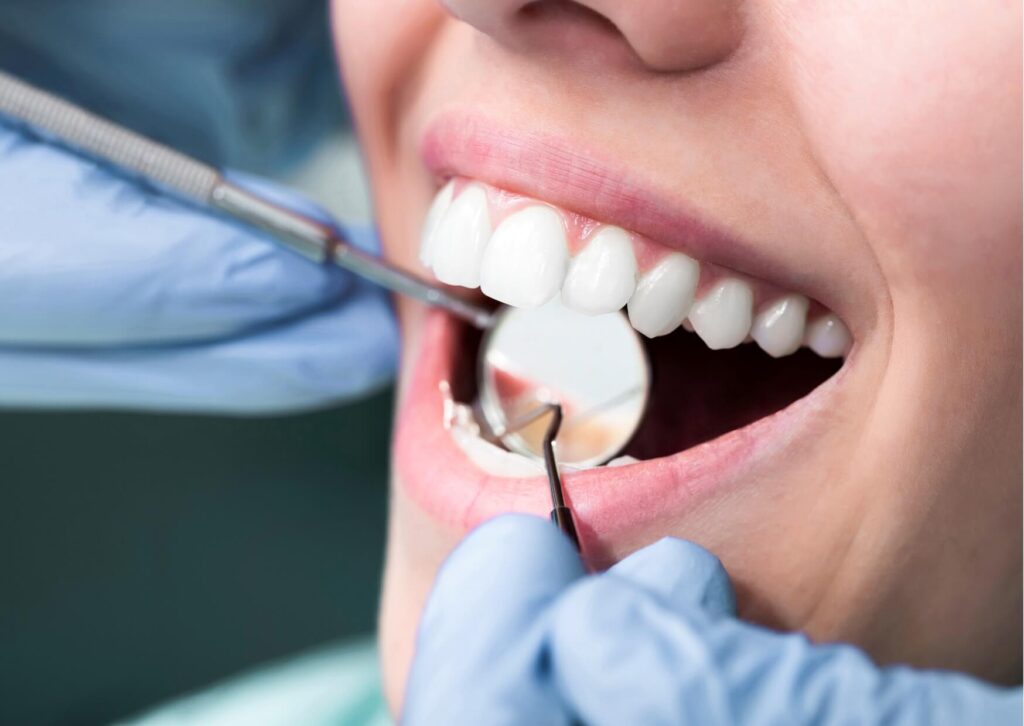
Dentist examining a patient's teeth during a checkup to evaluate oral health changes that may occur while taking Ozempic.

If symptoms started after beginning Ozempic, bring that timeline to both the dentist and prescribing clinician. That makes it easier to decide whether the issue is temporary, manageable, or a reason to revisit the treatment plan.

A dental exam can often sort out what is medication-related, what is coincidental, and what needs treatment now, which is the safest next step when the cause is not clear.

If you noticed mouth changes after starting Ozempic, Synergy Dental Center in Gillette, WY offers a biologic exam and sees patients from nearby Rapid City and Sturgis; call (307) 682-3100 to schedule.

FAQs

Can Ozempic cause tooth decay?

Not directly, based on current evidence. But dry mouth, frequent snacking, nausea, and reduced saliva can raise cavity risk in some people.

Can Ozempic make teeth sensitive?

Yes, it may contribute indirectly if reflux, vomiting, or dry mouth leads to enamel erosion. Sensitivity can also come from gum recession, grinding, or untreated decay, so an exam is the best way to confirm the cause.

Does Ozempic cause dry mouth?

Some people do report dry mouth while taking it, even though experiences vary. Dry mouth can also be related to dehydration, mouth breathing, diabetes, or other medications.

Should I stop Ozempic if my mouth feels different?

Do not stop a prescribed medication based only on general online information. If symptoms are persistent or concerning, contact the prescribing clinician and schedule a dental evaluation.

Can a dentist tell if reflux is affecting my teeth?

Often, yes. Dentists can sometimes recognize wear patterns and other signs that suggest acid exposure, although they still need to rule out grinding, brushing abrasion, and other causes.
Related Articles

Veneers Cost by Location: What to Expect

If you are comparing veneers cost by location, you will quickly see that pricing can vary a lot. Veneers are thin custom coverings bonded to the front of teeth to improve color, shape, size, or minor alignment concerns.

Location affects cost because dental fees are influenced by local overhead, lab expenses, clinician training, and demand for cosmetic care. A veneer case in a large city is often priced differently than the same treatment in a smaller suburban or regional market.

Cost matters, but it should not be the only factor. The best value usually comes from careful diagnosis, realistic planning, and a dentist who clearly explains what veneers can and cannot fix during a cosmetic dentistry consultation.

Synergy Dental Center in Gillette, WY offers cosmetic dentistry services that include veneers and personalized cost estimates.

Why Veneer Prices Change by Location

The biggest reason veneer prices change is local operating cost. Rent, staffing, equipment, and laboratory fees are often much higher in major urban areas, and those costs are reflected in treatment fees.

Dentist experience also affects price. A clinician who focuses heavily on aesthetic dentistry, uses detailed smile design records, and works with a high-quality ceramist may charge more than a general practice that places veneers less often.

Materials matter too. Porcelain veneers usually cost more than composite veneers because they require laboratory fabrication, more planning, and more clinical steps.

Composite veneers are often completed directly in the office. That can lower the upfront fee, but it may also affect stain resistance and long-term durability.

Regional demand plays a role as well. In areas where cosmetic dentistry is more common and patients expect highly customized results, pricing is often higher across the market, and these key factors usually work together rather than separately.

Typical Veneers Cost Patterns by Location

There is no single national fee for veneers, but there are common pricing patterns. Large metro areas and affluent neighborhoods often sit at the higher end, while smaller cities and regional towns may be lower.

Here is a general comparison patients often see when researching veneers. Actual fees still vary based on case complexity, material, and the number of teeth being treated.

Location TypeUsual Pricing PatternWhat Often Drives the Difference
Major city centerHighestHigher rent, specialist labs, cosmetic demand
Inner suburbModerate to highStrong demand with somewhat lower overhead
Outer suburbModerateLower overhead with access to experienced dentists
Regional cityModerate to lowerLower operating costs, variable lab access
Rural areaLower to moderateLower overhead, but fewer cosmetic-focused providers

Patients often compare fees across neighborhoods in the same city and still find meaningful differences. A lower fee is not always the better value if the treatment plan is rushed, overly aggressive, or unclear.

What Is Usually Included in the Price

A veneer quote may include the consultation, records, tooth preparation, temporary restorations, laboratory fabrication, fitting, and bonding. Some practices also include review visits and minor post-placement adjustments.

Other offices separate these costs. That is why it helps to ask for a written breakdown, especially if several teeth are involved.

A good estimate should explain whether the fee covers diagnostic photos, digital smile design, mock-ups, and replacement of old fillings if needed. These details can change the total cost more than many patients expect.

How a Dentist Decides Whether Veneers Are Appropriate

Cost is important, but the first question is whether veneers are the right treatment. Dentists usually evaluate the teeth, bite, gums, and smile line to see whether the main issue is color, shape, wear, spacing, or alignment.

The airway, jaw joints, and bite pattern can matter more than patients realize. If there is clenching, grinding, jaw strain, or unstable tooth contact, veneers may chip or wear sooner unless those issues are addressed in the treatment plan.

A biologic exam is often used to evaluate bite and jaw function as part of that assessment. A targeted myofunctional therapy assessment may also help identify tongue posture or muscle patterns that contribute to clenching and unstable bite contacts.

A dentist may also check for gum inflammation, untreated decay, enamel thickness, and habits like nail biting or chewing ice. These factors do not always rule out veneers, but they can affect the design, material choice, and long-term outlook.

Why Bite and Jaw Function Matter

Veneers sit on teeth that function within a larger system. If the bite places too much force on the front teeth, the restorations may be at higher risk of fracture, debonding, or edge wear.

This is one reason very low-cost cosmetic treatment can become expensive later. Aesthetic work that ignores function may look good for a short time but fail early.

Porcelain vs. Composite Veneers and How Cost Compares

The two main options are porcelain and composite. Both can improve appearance, but they differ in price, durability, stain behavior, and how they are made.

Composite veneers are usually less expensive upfront. They can be a reasonable option for small shape changes, minor chips, or patients who want a more conservative starting point.

Porcelain veneers usually cost more, but they often hold color better and can provide a more refined surface texture and light reflection. In many cases, they also last longer when they are well planned and properly maintained.

FeaturePorcelain VeneersComposite Veneers
Upfront costHigherLower
Number of visitsUsually more than oneOften fewer
Stain resistanceBetterLower
Surface polish and translucencyMore lifelike in many casesGood, but often less stable over time
RepairabilityMay require replacementOften easier to repair
LongevityOften longerOften shorter

The right choice depends on goals, bite forces, budget, and how many teeth are involved. A careful dentist should explain the tradeoffs instead of pushing one option for every case.

If teeth are structurally compromised, restorative dentistry may be recommended instead of, or alongside, veneers. That can affect both the treatment plan and the final cost.

When a Low Veneer Price Should Raise Questions

A low quote is not automatically a problem, but it should be clear what is being offered. If pricing seems far below the local market, ask whether the fee includes records, temporaries, lab work, and follow-up care.

It is also reasonable to ask how much tooth structure will be removed and whether alternatives were discussed. Veneers should not be presented as the answer to every cosmetic concern, especially when whitening, bonding, Invisalign clear aligners, or contouring may be more conservative.

Be cautious if there is pressure to treat many teeth without a clear reason. Larger cosmetic plans can be appropriate in some cases, but they should follow a careful exam and a clear discussion of risks, maintenance, and expected lifespan.

What to Expect During Treatment

Treatment usually begins with a consultation, photographs, and an exam. Some dentists also take digital scans, impressions, or trial designs to preview shape and proportion.

If veneers are appropriate, the next step may involve minimal tooth preparation, though the amount varies by case. Temporary veneers may be placed while the final restorations are being made, especially for porcelain cases.

At the fitting visit, the dentist checks color, contour, bite contact, and gum response before bonding the veneers. A review visit may follow to confirm comfort and function.

The process can take longer in complex cases, especially when bite adjustments, gum contour changes, or pre-treatment alignment are needed. That extra planning may increase cost, but it often improves predictability.

Longer-term Costs to Plan For

The initial fee is only part of the financial picture. Veneers may need polishing, repair, or replacement over time, and the timeline depends on material, bite forces, oral hygiene, and habits.

Patients who clench or grind may be advised to use a protective night guard to reduce stress on the restorations. Evidence on the influence of bruxism supports addressing these forces early.

That adds cost, but it can help protect both veneers and natural teeth. Gum recession, edge wear, staining around margins, or changes in neighboring teeth can also affect how veneers look years later.

A realistic consultation should cover maintenance, not just the day-one result. That helps patients compare treatment options more accurately.

When to Seek a Dental Evaluation Soon

Patient receiving a cosmetic dental evaluation before veneers, a step that helps determine veneers cost by location and treatment needs.

If a tooth being considered for a veneer is painful, sensitive, cracked, or has bleeding gums, it should be evaluated before cosmetic treatment moves forward. Cosmetic planning works best when the teeth and gums are stable.

After veneers are placed, seek prompt dental review if there is a sudden bite change, a loose veneer, sharp edges, swelling, or persistent pain. These symptoms do not always mean a serious problem, but they should not be ignored.

If jaw pain, frequent headaches, or heavy grinding are present, mention that early in the process. Those patterns can influence material choice and long-term success.

Know What to Expect Before You Choose Veneers

If sleep-related breathing problems are a concern, discuss oral appliance therapy as part of your evaluation. A useful veneer consultation should leave you with a clear diagnosis, a written estimate, and a realistic sense of what the result will require over time.

Synergy Dental Center provides cosmetic dentistry in Gillette, WY, and serves patients from nearby Rapid City and Sturgis; please call (307) 682-3100 to schedule a cosmetic consultation.

FAQs

Why are veneers more expensive in some cities?

Fees are often higher in cities with greater rent, staffing costs, and laboratory expenses. Prices may also rise in areas where cosmetic dentistry is in high demand or where practices use more customized aesthetic workflows.

Is it worth traveling for cheaper veneers?

Sometimes, but lower cost should be weighed against follow-up access, repair logistics, and the quality of the diagnostic process. If adjustments are needed later, distance can make simple problems harder to manage.

Do dental insurance plans cover veneers?

Veneers are often considered cosmetic, so coverage may be limited or absent. Some exceptions may exist when a tooth has structural damage, but patients should confirm details directly with the insurer and dental office.

Are composite veneers cheaper than porcelain everywhere?

In most markets, yes. Composite veneers are usually less expensive upfront, though long-term maintenance and replacement patterns may differ.

How many veneers do most patients get?

That depends on smile width, tooth visibility, and the specific cosmetic concern. Some patients need only one or two veneers, while others consider several teeth for color and symmetry.

Related Articles

Impacted Wisdom Tooth: Symptoms, Diagnosis & Treatment

An impacted wisdom tooth is a third molar that cannot fully come in the normal position. It may stay trapped under the gums, remain partly covered by gum tissue, or press against the tooth in front of it.

Wisdom teeth are the last adult teeth to develop, usually in the late teens or twenties. By then, the jaw may not have enough room for them to erupt normally, which is why impaction is common.

Not every impacted wisdom tooth causes pain right away. Some are found on routine dental X-rays, while others cause swelling, pressure, a bad taste, or repeated gum irritation in the back of the mouth.

Synergy Dental Center in Gillette, WY offers oral surgery and wisdom tooth removal and can provide the kind of evaluation and care often needed for impacted wisdom teeth.

Why Wisdom Teeth Become Impacted

Wisdom teeth usually become impacted because there is not enough space at the back of the jaw. The tooth may also develop at an angle that blocks its path.

A dentist looks at the position of the tooth and the surrounding anatomy. That includes the second molar next to it, the gum tissue over the tooth, the jawbone, and, in the lower jaw, the nearby nerve canal.

Impaction can happen in several ways. A tooth may stay fully buried in bone, remain partly trapped under the gums, or tilt forward toward the next tooth.

Common Patterns of Impaction

The exact position matters because it affects symptoms, cleaning difficulty, and treatment planning.

PatternWhat It MeansWhy It Matters
Mesioangular impactionThe wisdom tooth tilts forward toward the tooth in frontThis common pattern may trap food and bacteria
Vertical impactionThe tooth is upright but still cannot erupt fullyIt may remain partly covered by gum tissue
Horizontal impactionThe tooth lies sideways in the jawThis often places pressure on the neighboring tooth
Soft tissue impactionPart of the tooth has erupted, but gum tissue still covers part of itThis can lead to repeated inflammation around the tooth
Bony impactionThe tooth remains trapped in the jawboneThis may not be visible in the mouth and is usually confirmed on imaging

Symptoms Patients Often Notice

Symptoms vary widely. Some impacted wisdom teeth cause no symptoms, while others lead to repeated flare-ups.

Common symptoms include pain at the back of the mouth, jaw soreness, gum swelling, difficulty chewing on one side, or a bad taste. Some patients also notice food getting trapped behind the last visible molar.

When gum tissue partly covers the tooth, bacteria can collect under that flap. This may lead to pericoronitis, which is inflammation or infection around a partially erupted tooth.

Pericoronitis symptoms often include tenderness, swelling, bad breath, and pain when biting. In more severe cases, it may become hard to open the mouth fully or uncomfortable to swallow.

An impacted wisdom tooth can also contribute to decay in the wisdom tooth itself or in the second molar next to it. That risk is one reason dentists pay attention even when symptoms seem mild.

How a Dentist Checks an Impacted Wisdom Tooth

A dental evaluation usually starts with a symptom review and an exam of the back of the mouth. The dentist checks for swelling, gum infection, trapped debris, damage to the nearby tooth, and whether the area can be cleaned well.

Dental X-rays are a key part of the evaluation. They show whether the tooth is partly erupted, fully buried, pressing against the second molar, or close to important structures such as the lower jaw nerve or the sinus above upper wisdom teeth.

In some cases, a panoramic X-ray gives enough information. If the position is more complex, a dentist or oral surgeon may recommend 3D imaging to better assess the roots and nearby anatomy.

A full, patient-centered evaluation such as a biologic exam can also help place the tooth in the context of your overall oral and systemic health before moving to treatment.

The goal is not only to confirm impaction. It is also to decide whether the tooth is stable and low risk or more likely to cause infection, decay, gum damage, cyst formation, or injury to the neighboring tooth.

When Treatment Is Needed and What It May Involve

Treatment depends on symptoms, tooth position, cleaning access, and the effect on nearby teeth and gums. Not every impacted wisdom tooth needs immediate removal, but not every symptom-free tooth is harmless.

If the tooth is fully buried, not damaging nearby structures, and appears stable on imaging, a dentist may recommend monitoring. That usually means periodic exams and X-rays to watch for changes.

If the tooth is causing repeated inflammation, pain, decay, gum disease, or damage to the second molar, removal is often the most predictable option. Wisdom tooth removal may be done by a general dentist or an oral surgeon, depending on the complexity.

What Affects the Treatment Decision

Several factors shape the recommendation:

A careful treatment decision balances current symptoms with future risk. That is usually the most helpful way to discuss wisdom teeth, because treatment is rarely one-size-fits-all.

What to Expect If Removal Is Recommended

If removal is recommended, the dentist or oral surgeon will explain the position of the tooth, the expected difficulty of the procedure, and the main risks. Those risks may include swelling, soreness, temporary jaw stiffness, and, for some lower wisdom teeth, temporary or less commonly longer-lasting numbness related to the nearby nerve.

The procedure depends on whether the tooth has erupted and how deeply it is embedded. Some impacted teeth are removed more simply, while others require a surgical approach that includes lifting gum tissue and removing bone around the tooth.

For patients concerned about comfort or anxiety, sedation options are available to help you feel relaxed and safe during treatment.

Recovery varies, but most patients improve steadily over several days. The treating office will provide personalized aftercare instructions based on the procedure and the patient's health history.

It is reasonable to ask why removal is being advised now instead of later. In many cases, the answer comes down to repeated infection, risk to the second molar, or evidence that the tooth is unlikely to erupt into a healthy, functional position.

When an Impacted Wisdom Tooth Needs Urgent Care

Dentist examining the back of a patient's mouth during an evaluation for an impacted wisdom tooth and possible extraction.

Some symptoms need prompt attention. Worsening swelling, fever, pus, severe pain, trouble opening the mouth, or pain with swallowing can suggest a spreading infection.

Seek urgent dental care if there is facial swelling, a bad taste with drainage, or symptoms that are getting worse quickly. Go to urgent medical care or the emergency department if swelling affects breathing, swallowing, or your ability to handle saliva normally.

These red flags do not always mean a dangerous infection, but they should not be ignored. Problems in the back of the lower jaw can worsen quickly in some cases.

Longer-Term Outlook

The long-term outlook is usually good when an impacted wisdom tooth is identified and followed appropriately. The key is matching the plan to the actual risk instead of treating every wisdom tooth the same way.

Some impacted teeth stay quiet for years and can be monitored safely. Others repeatedly inflame the gums or damage the neighboring molar, and those teeth often do better with removal before more significant problems develop.

If there is ongoing pain, swelling, pressure, or uncertainty about a wisdom tooth, a dental exam is the safest next step. Clear imaging can show whether the tooth needs observation or whether treatment is more likely to prevent bigger problems later.

If you are concerned about an impacted wisdom tooth, Synergy Dental Center in Gillette, WY offers wisdom tooth removal and oral surgery and serves patients from nearby Rapid City and Spearfish; call (307) 682-3100 to schedule.

FAQs

Can an impacted wisdom tooth stay in forever?

Yes, in some cases. If the tooth is not causing symptoms, is not damaging nearby teeth, and looks stable on X-rays, a dentist may recommend monitoring instead of removal.

Does an impacted wisdom tooth always hurt?

No. Some impacted wisdom teeth cause no symptoms at all and are found during routine dental imaging.

Can an impacted wisdom tooth cause headaches or jaw pain?

It can contribute to jaw soreness or pain that seems to spread toward the ear or temple, especially during inflammation. Still, headaches and jaw pain have many causes, so an exam is important before assuming the wisdom tooth is responsible.

Is a partially erupted wisdom tooth considered impacted?

Often, yes. If the tooth cannot fully erupt into a normal, functional position, it may be considered partially impacted, especially if gum tissue still covers part of it.

Do all impacted wisdom teeth need surgery?

No. Some only need observation. Surgery is more often recommended when there is pain, repeated infection, decay, gum disease, or risk to the neighboring tooth.

Related Articles

Nightguards for Teeth: Protection Against Nighttime Tooth Grinding

Teeth can take a beating at night. Many people wake up with jaw soreness, tooth sensitivity, or a dull headache and assume it is something they just have to live with.

That is not always true. Nightguards for teeth can help protect enamel, fillings, jaw joints, and muscles from repeated clenching and grinding during sleep.

It is not a cure for every cause of jaw pain or tooth wear. But in the right situation, it can be an important part of protecting your teeth and supporting a larger treatment plan.

Synergy Dental Center in Gillette, WY, offers a biologic exam that looks at oral and whole-body factors, the kind of thorough evaluation many patients with nighttime grinding need.

What a Nightguard Actually Does

A nightguard helps protect teeth from grinding and clenching during sleep. Dentists often call this pattern bruxism, especially when it happens unconsciously at night.

The appliance helps spread biting forces more evenly and reduces direct tooth-on-tooth contact. That may lower the risk of enamel wear, small fractures, worn fillings, and muscle tenderness. For many patients, that kind of barrier offers effective protection against ongoing damage.

In some cases, a nightguard may also help reduce irritation in the temporomandibular joints, or TMJs. A dentist may recommend TMJ treatment when joint pain, clicking, or limited opening is part of the problem.

A guard does not always stop the clenching itself. Often, it protects the teeth and jaw while a dentist looks at the bigger picture, including stress, bite patterns, sleep issues, and existing dental damage.

Sometimes exercises that retrain tongue and facial muscle patterns may also help. Ask whether myofunctional therapy is relevant in your case.

Signs You May Need Nightguards for Teeth

Some signs build slowly. Others show up first thing in the morning and keep coming back.

You may benefit from a dental evaluation if you notice morning jaw pain or frequent headaches, especially when they happen with tooth sensitivity or flattened tooth edges. These signs can suggest nighttime clenching or grinding, though they do not confirm it by themselves.

Other common signs include:

Some patients have no pain at all and only learn about the problem during a routine exam. A dentist may notice wear facets, enamel loss, gumline stress, or fracture lines before symptoms become obvious.

Why Nighttime Tooth Grinding Gets Missed

Night grinding is easy to overlook because it happens out of sight. Patients may be told the damage is minor, cosmetic, or just part of aging, even when the teeth clearly show signs of repeated force.

That delay can be costly. Small cracks can deepen, restorations can fail, and muscle strain can become a daily problem before the cause is clearly identified.

When a patient keeps waking with jaw tension, fractured dental work, or unexplained sensitivity, it makes sense to look for the cause instead of treating the damage as normal.

Types of Nightguards and How They Compare

Not all nightguards fit or function the same way. The biggest difference is whether the guard is custom-made by a dental office or bought over the counter.

TypeHow It FitsMain AdvantagesMain Limits
Stock guardPre-made, limited sizingEasy to buy quicklyOften bulky, poor fit, may feel unstable
Boil-and-bite guardSoftened at home and shaped in the mouthMore adaptable than stock versionsFit may still be uneven, durability varies
Custom dental nightguardMade from impressions or digital scansMore precise fit, better comfort, often better long-term protectionHigher cost, requires dental visit

A custom guard is often the best option when symptoms are ongoing, the bite is complex, or there is already visible tooth damage. A more precise fit usually makes the appliance easier to wear and more reliable over time.

Over-the-counter options may help as a short-term step for some people. They are less ideal when there is heavy clenching, jaw joint pain, dental implants, orthodontic movement, or several crowns and fillings.

Soft vs. Hard Nightguards

Patients often assume softer means better. Comfort matters, but the right material depends on the amount of force, the condition of the teeth, and how the jaw functions during sleep.

Soft Guards

Soft guards may feel easier to tolerate at first. They can work for mild cases, but they may not hold up well for people who clench heavily.

Hard Guards

Hard acrylic-style guards are more durable and are often used when wear is advanced or the bite needs more controlled support. They may feel less forgiving at first, but they often provide more stable protection for heavy grinders.

The right choice should come from an exam, not guesswork. Material, thickness, and design all affect how the appliance performs.

What a Dentist Looks for Before Recommending One

A nightguard should be based on a real diagnosis, not just a symptom list. Tooth wear can come from grinding, but it can also relate to acid erosion, bite changes, missing teeth, or habits that overload certain areas.

A dentist may examine:

In some cases, the dentist may ask whether snoring, daytime fatigue, or interrupted sleep are also present. If you want to understand that condition better, read what sleep apnea is.

That matters because sleep-disordered breathing can overlap with clenching, and bruxism may be linked to sleep apnea. A nightguard alone may not address the full problem.

When breathing issues are suspected, dental sleep apnea care or oral appliance therapy may be part of the conversation so treatment is safe and effective.

This is where careful diagnosis matters. A nightguard offers protection, but it does not replace a personalized evaluation.

What Wearing a Nightguard Feels Like

Most patients notice the appliance for the first few nights. That is normal, especially with a custom guard that fits closely around the teeth.

A well-made nightguard should feel secure, not loose or sharp. Mild adjustment is common, but ongoing pain, gagging, pressure on specific teeth, or a major bite change after removal should be reviewed by the dentist.

Follow-up matters. Even a custom appliance may need small adjustments so it sits evenly and does not create new pressure points.

When a Nightguard Is Helpful but Not Enough

A nightguard can protect teeth, but it does not replace a full workup when symptoms are severe or unusual. Some pain patterns point to more than simple grinding.

Seek prompt dental care if there is a cracked tooth, facial swelling, or severe pain with biting. Those symptoms may suggest infection, a significant fracture, or another urgent problem that a guard will not fix.

In those cases, repairs often come first and can be coordinated with protective care like a nightguard. Ask about restorative dentistry when damaged teeth need treatment.

A dental or medical evaluation is also important when there is jaw locking, limited opening, ear-area pain that keeps worsening, numbness, or repeated appliance breakage. If symptoms are paired with loud snoring, choking during sleep, or major daytime sleepiness, review the signs of sleep apnea and ask whether broader care is needed.

The point is simple. Protection helps, but protection without diagnosis can leave the real issue untreated.

How to Care for a Nightguard

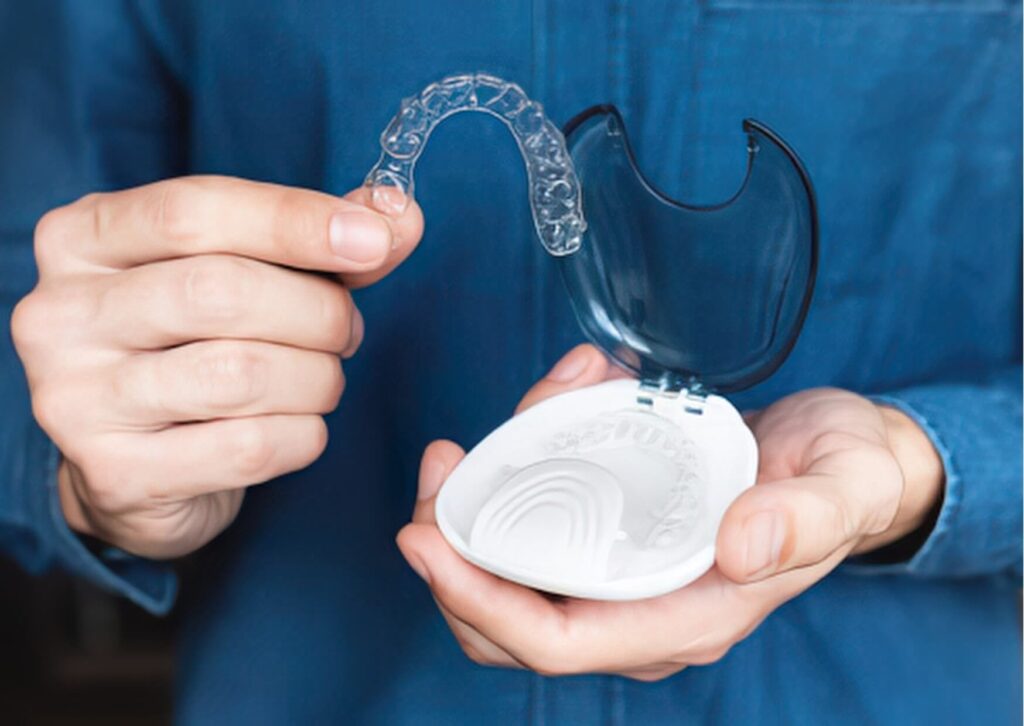
Custom dental nightguard displayed in its storage case to help prevent teeth grinding and nighttime jaw clenching.

A nightguard works best when it stays clean and intact. Rinse it after use, clean it as directed by the dental office or manufacturer, and store it in a ventilated case.

Heat can warp the material, so keep it away from hot water, hot cars, and direct sunlight. Bring the appliance to dental visits so the fit and wear can be checked over time.

If it becomes cracked, rough, loose, or misshapen, have it reassessed rather than forcing it back into use. A damaged guard may no longer protect the teeth properly.

The Better Approach Is Early, Precise Care

Too many patients do not get answers until nighttime grinding has already caused visible damage. A better approach is earlier recognition, a careful exam, and a nightguard designed for the actual pattern of force in the mouth.

When symptoms, wear, or broken dental work keep showing up, it makes sense to ask for a clear evaluation instead of waiting for the damage to worsen. If breathing problems may be involved, learning about the benefits of sleep apnea treatment can help you understand why a broader plan matters.

If you suspect grinding or clenching is wearing down your teeth, a dentist can help determine whether a nightguard is appropriate and whether anything else needs attention first. Consider starting with a biologic exam so the cause can be diagnosed rather than simply masked.

At Synergy Dental Center in Gillette, WY, our biologic exam evaluates the oral and whole-body factors that drive nighttime grinding; we also serve patients from Rapid City and Spearfish, so call (307) 682-3100 to schedule.

FAQs

Are nightguards for teeth the same as retainers?

No. A retainer is mainly designed to help maintain tooth position after orthodontic treatment, while a nightguard is designed to protect the teeth and sometimes reduce strain from grinding or clenching. Using the wrong device may not give enough protection and may not address the forces causing the problem.

Can a nightguard cure TMJ pain?

Not always. A nightguard may help some causes of jaw strain, especially when clenching is part of the picture, but TMJ pain can have several causes. Jaw joint symptoms that persist, worsen, or include locking should be evaluated rather than self-treated.

Is an over-the-counter nightguard good enough?

It may be acceptable as a temporary option for some mild cases, but it is often less precise than a custom appliance. If there is significant wear, repeated breakage, jaw pain, or a complicated bite, a dental evaluation is the safer choice.

How long does a nightguard last?

That depends on the material, fit, and how strongly a person clenches or grinds. Some last for years, while others wear down faster under heavy force. Regular dental checks help determine whether the appliance is still protecting the teeth effectively.

Should I wear a nightguard if one tooth hurts?

Not without knowing why the tooth hurts. Pain in one tooth may come from a crack, decay, bite trauma, infection, or another issue that needs examination. A nightguard may be part of treatment in some cases, but isolated tooth pain should not be assumed to be simple grinding.

Related Articles

Can a Cavity Heal Itself? The Truth About Tooth Decay

Pain gets dismissed. Sensitivity gets normalized. A rough spot on a tooth is easy to ignore when life is busy, money is tight, or dental care has been treated like a luxury instead of basic health care.

That is often how tooth decay gains ground. It starts with mineral loss in the enamel, then keeps moving unless the conditions in the mouth change.

So, can a cavity heal itself? In most cases, no. Once decay creates a physical hole in the tooth, the lost tooth structure does not grow back.

There is one important exception. Very early damage, before a true cavity forms, may sometimes be stopped or reversed through remineralization, which means minerals such as calcium and phosphate are redeposited into weakened enamel.

That distinction matters. Early decay and an established cavity are not the same thing.

At Synergy Dental Center in Gillette, WY, and Sturgis, SD, our biologic exam evaluates suspicious areas to see whether they may be remineralized or need repair.

What Can Be Reversed and What Cannot

A tooth under acid attack can lose minerals before any visible hole appears. This early stage may show up as a chalky white spot, mild sensitivity, or no symptoms at all.

If the enamel surface is still intact, the tooth may recover some strength when plaque is controlled, sugar exposure is reduced, and saliva and mineral availability support remineralization. That is not the tooth magically healing. It is the mouth environment shifting before the enamel surface breaks down.

Once the surface breaks and a cavity forms, the situation changes. A true cavity cannot seal itself back together because enamel and dentin do not regenerate the way skin does.

Dentin is the layer under the enamel. It is softer than enamel, so decay often spreads faster once it reaches that level.

Early Enamel Damage

Early decay may sometimes be managed without a filling if a biologic exam confirms the area is non-cavitated, meaning there is no actual hole. This usually requires close monitoring and changes that lower the acid burden in the mouth.

That window can be short. Waiting too long can turn a reversible problem into one that needs drilling and restoration.

Established Decay

When decay has created a hole, softened the tooth, trapped food, or caused ongoing sensitivity, home care will not rebuild the missing structure. At that point, treatment is usually needed to remove damaged tissue and restore the tooth.

Depending on the depth and location, that may mean a filling, crown, or more extensive care such as restorative dentistry if the tooth has lost significant structure. If a tooth is lost, replacement options may include metal-free solutions like ceramic implants.

Why Cavities Do Not Behave Like Other Dental Injuries

People often assume the body should fix a tooth the same way it fixes a cut. Teeth do not work that way.

Enamel has no living cells to regenerate a missing piece once it is gone. It is the hardest substance in the body, but it has clear limits when it comes to self-repair.

The mouth is also a difficult place to heal. Bacteria in plaque feed on sugars and starches, then produce acids that repeatedly weaken the tooth surface.

That cycle is not just about brushing harder. It can also be shaped by dry mouth, frequent snacking, sugary drinks, stress, medications, and delayed access to care.

A cavity is not a moral failure. It is often the result of repeated acid exposure over time.

Signs the Problem May Be Past the Point of Self-Repair

Some cavities cause no symptoms early on. Others are easier to notice.

Warning signs that may suggest established decay include:

These signs do not confirm one diagnosis by themselves. Cracks, gum recession, worn enamel, and other dental problems can cause similar symptoms.

Still, persistent pain or a visible hole should not be ignored. If symptoms are getting worse, a dental exam is the safest next step.

When a Cavity Becomes Urgent

Decay can move from enamel into dentin and then toward the pulp, the inner part of the tooth that contains nerves and blood vessels. Once the pulp is inflamed or infected, pain may become intense, throbbing, or hard to pinpoint.

Seek prompt dental care if there is:

Those red flags can suggest a spreading infection. That is no longer a wait-and-see situation.

What a Dentist Looks For

A dentist does not just look for a black spot. The key question is whether the tooth surface is intact, softened, cavitated, or already affecting deeper structures.

The exam may include a visual inspection, gentle probing, and dental X-rays. X-rays can help detect decay between teeth or under the surface where it may not be visible in the mirror.

In practical terms, the dentist is sorting the problem into categories:

FindingWhat It Often MeansTypical Next Step
Early mineral loss without a holeMay be reversibleMonitoring and preventive care
Small to moderate cavityTooth structure is lostFilling is often recommended
Large cavity or weakened toothSignificant structural damageFilling, onlay, or crown may be needed
Pulp involvement or infectionNerve tissue may be inflamed or infectedRoot canal treatment or other advanced care

This is why internet advice often falls short. The difference between early decay and a true cavity usually requires an exam.

What May Help Stop Early Decay From Getting Worse

If a dentist confirms the area is still in an early stage, the goal is to shift the mouth out of a constant demineralization state. Demineralization means minerals are being pulled out of the tooth by acid.

Helpful steps often include:

Adjuncts such as ozone therapy can also reduce bacterial load and support early lesion care when used alongside the measures above. How EBOO works is worth reading if you want more detail about ozone’s role in oral healing.

Saliva matters more than many people realize. It helps buffer acids and carries minerals that support enamel repair.

None of this means a diagnosed cavity can be treated at home. It means early enamel damage may sometimes be stabilized before drilling is needed.

Common Myths About Cavities That Keep People Stuck

One myth says no pain means no problem. In reality, many cavities are painless until they become deeper.

Another myth says every dark spot is definitely a cavity. Some spots are only stains, which is why self-diagnosis is unreliable.

A third myth says if a tooth feels better, it is healing. Symptoms can come and go even while decay continues underneath.

The most damaging myth is that waiting is neutral. Often, waiting simply gives bacteria more time and leaves the tooth needing a bigger repair later.

Knowing When a Cavity Needs Treatment

Dentist examining a patient for cavities to determine whether tooth decay can be treated before it worsens.

If the question is whether a hole in a tooth can grow back on its own, the answer is no. If the question is whether very early decay can sometimes be reversed before a hole forms, the answer is yes, in some cases.

That is the line that matters. Once tooth structure is lost, the body does not rebuild it naturally.

People deserve clearer guidance than “wait until the pain becomes impossible to ignore.” If a tooth looks different, feels sensitive, traps food, or has pain that keeps returning, getting it checked early is usually the smartest move and often the least invasive one.

When restoration is needed, we favor metal-free dentistry whenever appropriate.

At Synergy Dental Center, patients can schedule a biologic exam for early decay in Gillette, WY, at (307) 682-3100 or in Sturgis, SD, at (605) 206-2077.

FAQs

Can a small cavity heal itself?

A small cavity with an actual hole usually does not heal itself. A very early enamel lesion without a hole may sometimes improve if a dentist confirms it is still reversible.

Can early enamel damage improve?

If the enamel surface is still intact, early mineral loss may sometimes be stabilized or partly reversed after a dentist confirms that no physical hole has formed. Once tooth structure is missing, it does not grow back on its own.

How do I know if it is just staining or a cavity?

It is often hard to tell at home. Stains, grooves, worn enamel, and cavities can look similar, so a dental exam and sometimes X-rays are the most reliable way to know.

If the tooth does not hurt, can I wait?

A painless tooth can still have decay. If there is a visible spot, roughness, food trapping, or recurring sensitivity, it is reasonable to schedule an evaluation before the problem gets larger.

Can a cavity stop progressing on its own?

In some cases, very early decay may arrest, meaning it stops progressing, if the mouth environment improves. An established cavity with structural breakdown usually still needs treatment.

Related Articles

What Does an Infected Tooth Look Like? Signs to Watch For

Pain in the mouth is easy to dismiss until it starts affecting how you eat, sleep, or get through the day. A tooth infection can begin quietly, then show up as swelling, pressure, a bad taste, or a face that looks different than usual.

When people ask what an infected tooth looks like, they usually want practical answers. They want to know whether a dark tooth, swollen gum, or pimple-like bump is a sign they should take seriously. A biologic exam gives a comprehensive, whole-health view that many patients find helpful when they notice these changes.

Synergy Dental Center in Gillette, WY offers a biologic exam that provides the kind of thorough, whole-health evaluation many people look for when they suspect a dental infection.

The Clearest Visual Signs of a Tooth Infection

An infected tooth does not always have one obvious look. In many cases, the gum or face shows the problem more clearly than the tooth itself.

One common sign is swelling near one tooth or along the gumline. The gum may look red, shiny, tender, or raised, and one side may appear fuller than the other.

The tooth itself may also change color. It can look gray, brown, or darker than nearby teeth, especially if the inner nerve tissue has been damaged.

Some infections cause a small bump on the gum that looks like a pimple. This is sometimes called a gum boil or fistula, which can be a drainage tract from a dental abscess.

You may also notice a crack, deep cavity, or broken filling. These do not prove infection by themselves, but they can give bacteria a path into the inner part of the tooth.

If the infection worsens, swelling can spread beyond the gum. The cheek, jawline, or even the area under the eye may start to look enlarged or uneven.

What It May Feel Like Along With What It Looks Like

Appearance is only part of the picture. Symptoms often make the problem easier to recognize.

A tooth infection may cause throbbing pain, pain when biting, or a deep pressure that pulses. Some people also notice lingering sensitivity to hot or cold.

Pain can spread into the jaw, ear, or side of the face. A bad taste or bad breath may happen if fluid is draining from the infected area.

Sometimes the pain eases after drainage starts. That can feel like improvement, but it does not mean the infection is gone.

The lymph nodes under the jaw or in the neck may also become tender or swollen. That can happen when the body is reacting to infection.

Why Infected Teeth Do Not All Look the Same

There is no single appearance that defines every tooth infection. The way it looks depends on where the infection started and how far it has spread.

An infection inside the tooth may first show up as pain, discoloration, or tenderness with very little visible swelling. An infection that has moved into the gum or bone may cause a visible bump or more obvious facial swelling.

Drainage can also change what you see. If pus has a way to escape, the swelling may look smaller even though the infection is still active.

That is one reason people delay care. Less pressure can create a false sense of relief while the source of the infection remains in place.

Common Causes of a Tooth Infection

Most tooth infections begin when bacteria reach an area that should stay sealed. A deep cavity is one of the most common causes, especially when decay reaches the pulp inside the tooth.

A cracked tooth can also let bacteria in, even if the crack is hard to see. Older dental work that has broken down over time can create the same risk.

In some cases, the cause is trauma. A tooth that was hit months or even years ago may darken and later become infected if the nerve no longer stays healthy.

Advanced gum disease can also play a role. When the supporting tissues pull away from the tooth, bacteria can collect in deeper pockets and lead to swelling or abscess formation.

When Swelling Becomes Dangerous

A tooth infection is not just a cosmetic issue. It can spread into deeper tissues of the face and jaw, and in serious cases it can affect breathing or swallowing.

Seek urgent dental care or immediate medical care if there is rapidly increasing facial swelling, fever, trouble swallowing, trouble breathing, or difficulty opening the mouth. These can be signs of a spreading infection. 

Our general dentistry team can evaluate urgent swelling, take same-day X-rays, and determine the next steps, or you may need emergency medical attention.

Pain that wakes you up, swelling near the eye, or pus with worsening illness also deserves prompt evaluation. If you are unsure, it is safest to call a dentist the same day and describe what has changed.

Children, older adults, and people with weakened immune systems may need faster assessment. Infections can become more serious more quickly in these groups.

What a Dentist Looks for During an Exam

A dentist does not diagnose an infected tooth by appearance alone. The exam combines what can be seen with what can be tested.

The tooth may be checked for cracks, deep decay, color change, mobility, and tenderness to tapping or biting. The gum is examined for swelling, drainage, and pocketing around the tooth.

Dental X-rays are often important because they can show changes around the root tip or in the surrounding bone. Not every infection is visible in the mirror, and not every swollen gum is caused by the same problem.

That distinction matters. A gum cyst, food impaction, sinus issue, or noninfectious inflammation can sometimes look similar at first.

How Infected Teeth Are Usually Treated

Patient receiving a dental examination to diagnose a tooth infection before treatment.

Treatment depends on where the infection is, how severe it is, and whether the tooth can be saved. The goal is to remove the source of the infection, not just reduce symptoms.

A common treatment is root canal treatment, which removes infected tissue from inside the tooth and seals the space. After diagnosis, restorative care such as root canal treatment and crowns can help restore comfort and function.

If the tooth cannot be restored safely, extraction may be the better option. That may involve oral surgery or later replacement with ceramic implants.

Some patients also want to understand implant cost before deciding. See our guide to implant cost. At Synergy Dental Center, many patients prefer metal-free dentistry when replacement is planned.

Some infections also need drainage by a dental professional. Supportive medications, including antibiotics, may be used in some situations, but they do not replace treatment of the source.

Avoid Common Mistakes When You Suspect an Infection

A dark tooth does not always mean infection, and a painful tooth is not always infected. At the same time, a tooth can be infected without dramatic pain, especially if the nerve is no longer responding normally.

Do not try to drain swelling yourself or treat a suspected abscess with home remedies from the internet. That can injure tissue, delay proper care, and make the real problem harder to treat.

If a tooth looks abnormal and symptoms are persistent, worsening, or severe, arrange a dental evaluation. Photos may help you track changes, but they are not a substitute for an exam.

Timely care matters. It is much easier to treat a dental infection early than to wait until swelling forces an emergency.

Synergy Dental Center offers biologic exams in Gillette, WY to evaluate suspected infections; we also serve patients from nearby Rapid City and Spearfish. Call (307) 682-3100 to schedule.

FAQs

Can an infected tooth look normal?

Yes. Some infected teeth show little visible change early on. Pain with biting, temperature sensitivity, or a bad taste may appear before obvious swelling does.

Is a pimple on the gum always an infection?

Not always, but it can be a strong sign of a draining dental abscess. A dentist should evaluate a persistent or recurrent bump on the gum.

Does a tooth infection always cause severe pain?

No. Some infections cause intense throbbing pain, while others cause pressure, tenderness, or only intermittent discomfort. In some cases, the pain decreases when drainage starts.

When should I seek urgent help?

Seek urgent care if there is facial swelling that is getting worse, fever, trouble swallowing, trouble breathing, or swelling near the eye. These symptoms may signal a spreading infection.

Can an infected tooth heal on its own?

A tooth infection may temporarily feel better, but the source usually does not resolve without dental treatment. If you suspect an infection, a dental exam is the safest next step.

Related Articles

Composite Fillings: The Quiet Fight for Teeth That Look and Function Like Yours

A damaged tooth can look small on paper and feel enormous in daily life. Eating becomes cautious, smiling becomes calculated, and even a sip of something cold can feel like a warning from a nerve that has been pushed too far.

That is where composite fillings matter. They are not just about making a tooth look better. They help restore structure, seal a cavity or small fracture, and support a tooth that still belongs in your mouth, not in a cycle of neglect, temporary fixes, and avoidable escalation.

Too often, people are told to think of fillings as routine and interchangeable. They are not. The material used, the size of the damaged area, the bite forces on that tooth, and the level of moisture control during treatment can all affect how long the result lasts and how well the tooth functions afterward.

For patients exploring restorative dentistry options, Synergy Dental Center offers comprehensive evaluations in both Gillette, WY, and Sturgis, SD. A personalized assessment can help determine whether composite fillings are the most appropriate solution based on your oral health needs, tooth condition, and long-term goals.

What Composite Fillings Actually Are

Composite fillings are tooth-colored restorations made from a resin matrix mixed with fine glass or ceramic particles. In plain language, that means a moldable material is placed into the prepared part of the tooth and then hardened with a curing light so it bonds to the tooth structure.

That bond matters. Unlike some older filling materials that mainly sit inside the space created by drilling, composite can adhere to enamel and dentin. Enamel is the hard outer shell of the tooth. Dentin is the softer layer underneath. This adhesive approach often allows a dentist to remove less healthy tooth structure than some traditional filling designs require.

Composite is commonly used for small to moderate cavities, chipped front teeth, worn edges, and replacement of older fillings that have leaked, fractured, or become stained around the margins. Margins are the edges where the filling meets the natural tooth.

When Dentists Commonly Recommend Composite

Composite fillings are often recommended when appearance matters, especially for front teeth and visible premolars. They are also frequently used in back teeth when the damaged area is small enough and the remaining tooth structure is strong enough to support a bonded restoration.

A dentist may suggest composite when decay is caught early enough to be treated with a filling rather than a crown. Many patients begin with a general dentistry exam to diagnose the problem, review options, and arrange timely treatment. If you prefer a whole-body approach that considers materials and bite from the start, ask about a biologic exam.

Still, not every tooth is a good candidate. If the cavity is very large, the tooth is heavily cracked, or biting pressure is extreme, a filling may not be the most durable choice. In those cases, an inlay, onlay, or crown may offer better long-term protection. That is not over-treatment when it is justified. It is often an effort to stop a weakened tooth from breaking further.

Composite vs. Silver Fillings and Other Materials

People often compare composite fillings with silver fillings, also called amalgam. Amalgam has been used for decades and can perform well in some situations, particularly in areas that are difficult to keep dry during treatment. Composite, however, blends with the natural tooth and bonds to it, which can support a more conservative preparation. If you are concerned about metal materials, read our article, Say Goodbye To Metal.

The tradeoff is that composite is more technique-sensitive. The tooth usually needs to stay dry during placement, and the material is often placed in layers to reduce shrinkage stress as it hardens. If moisture control is poor or the cavity is too deep or too wide, the result may be less predictable.

Glass ionomer is another material sometimes used, especially near the gumline or in situations where moisture control is difficult. It releases fluoride, which can be helpful in high-cavity-risk settings, but it is generally not as wear-resistant or as aesthetic as composite on many visible chewing surfaces.

For larger defects, indirect restorations such as onlays or crowns may be more reliable than any direct filling. The right comparison is not just material versus material. It is material, cavity size, bite load, and the actual condition of the tooth.

What the Procedure Usually Feels Like

Most composite filling appointments are straightforward, but they should not be trivialized. If the cavity is shallow, treatment may be brief and relatively simple. If the decay is deeper or close to the pulp, the soft tissue inside the tooth that contains nerves and blood vessels, the appointment may take longer and the tooth may be more sensitive afterward.

The area is usually numbed first if needed. The dentist removes decayed or weakened tooth structure, cleans the space, and places adhesive materials before adding the composite in layers. Each layer is hardened with a curing light, then the filling is shaped and adjusted so the bite feels even.

If anxiety or discomfort is a concern, ask about our comfort & sedation options to help you feel more relaxed during a longer appointment or a sensitive procedure.

Afterward, some mild sensitivity to cold, pressure, or air can happen for a short time. That does not automatically mean something went wrong. But pain that is intense, getting worse, waking you from sleep, or making it hard to bite should be rechecked rather than ignored.

How Long Composite Fillings Last

Composite fillings can last for years, but there is no honest universal timeline. A small filling on a front tooth may perform very differently from a large filling on a molar that absorbs heavy chewing forces every day.

Durability depends on cavity size, oral hygiene, diet, clenching or grinding, bite alignment, and whether the filling sits in a high-stress area. Frequent exposure to sugar and acid can increase the risk of recurrent decay, meaning new decay forms around or under the edges of an existing filling.

The most useful question is not just, “How many years will it last?” It is, “What pressure is this tooth under, and what can be done to protect it?” A carefully placed composite in a favorable situation can do very well. A large composite in a heavily loaded tooth may fail earlier, even with excellent care.

Problems People Notice After A Composite Filling

Some symptoms after treatment are common and temporary. Mild sensitivity to cold, a different feeling when floss passes between teeth, or brief awareness of the bite may settle as the tooth and surrounding tissues calm down.

Other symptoms deserve more attention. Pain when biting down may mean the filling is slightly high, the tooth has an underlying crack, or the nerve inside the tooth is inflamed. Sharp cold sensitivity that lingers can suggest the tooth is reacting more strongly than expected. Food trapping between teeth may indicate a contact problem, which can irritate the gums and increase the risk of decay.

A filling can also chip, wear, stain at the edges, or leak over time. Leakage does not mean fluid is visibly pouring into the tooth. It refers to microscopic gaps that may allow bacteria and irritants to enter, potentially leading to sensitivity or new decay.

If symptoms are persistent, worsening, or hard to explain, a dental evaluation is the safest next step. Teeth do not always follow neat rules, and pain can come from decay, cracks, bite trauma, gum inflammation, or a nerve problem that was already developing before the filling was placed.

Red Flags That Should Not Be Minimized

Some dental symptoms should not be watched casually. Swelling of the face or gums, fever, a bad taste with drainage, rapidly increasing pain, or trouble opening the mouth can point to infection or significant inflammation and should be assessed promptly.

A tooth that feels suddenly taller than the others after treatment, especially if biting is painful, should also be checked soon. Bite imbalance may seem minor, but repeated force on one tooth can keep the ligament around the root irritated.

If a large piece of tooth breaks away, the filling falls out, or pain becomes severe and spontaneous, contact a dentist without delay. If swelling affects breathing, swallowing, or the space under the jaw, that is more urgent and may require emergency care.

Caring for Composite Fillings in Real Life

Composite fillings do not make a tooth immune to future problems. The tooth still needs daily plaque control, and the edges of the restoration still need protection from recurrent decay. Plaque is the sticky bacterial film that builds up on teeth and feeds on sugars.

Brushing with fluoride toothpaste, cleaning between teeth, and limiting frequent sugary snacks or acidic drinks all matter. So does timing. Sipping sweet coffee for hours, using sports drinks regularly, or snacking constantly keeps the mouth in a repeated acid cycle that can undermine both natural enamel and restoration margins.

If grinding or clenching is part of the picture, that should be discussed with a dentist because repeated force can shorten the life of fillings and contribute to cracks. Regular checkups help detect wear, marginal staining, bite changes, and new decay before a small issue becomes a larger repair.

Questions Worth Asking Before Treatment

Patient receiving a composite dental filling treatment, a durable and natural-looking option for repairing decayed teeth and minor damage

A good dental decision is not blind agreement. It is understanding why this material is being recommended for this tooth.

Useful questions include:

Those questions are not confrontational. They are responsible. Teeth are part of the body, and patients deserve explanations that are specific, not rushed or generic.

Getting Back to Comfort Without Compromising Appearance

Composite fillings do more than repair a cavity. They help restore strength, function, and appearance while preserving as much healthy tooth structure as possible. When selected appropriately and maintained well, they can play an important role in long-term oral health.

If you have a damaged tooth, sensitivity, or concerns about an existing filling, schedule an evaluation with Synergy Dental Center. 

Call (307) 387-4258 for our Gillette, WY office or (605) 206-2077 for our Sturgis, SD location to explore your restorative dentistry options. Our team proudly serves patients throughout Gillette, Sturgis, and nearby communities with personalized, patient-focused care.

FAQs

Are composite fillings safe?

Composite fillings are widely used and considered safe for routine dental care when selected and placed appropriately. If you have concerns about materials, allergies, or past reactions, discuss them with a dentist before treatment.

Do composite fillings hurt?

The procedure itself is often well controlled with local numbing when needed. Some short-term sensitivity afterward can happen, especially if the cavity was deep, but severe or worsening pain should be reassessed.

Can composite fillings be used on back teeth?

Yes, in many cases they can. The key issue is not just location but cavity size, bite force, and how much healthy tooth remains.

Do composite fillings stain?

They can pick up stains over time, especially with coffee, tea, tobacco, or aging at the margins. Surface stain may sometimes be polished, but deeper staining or edge breakdown may require repair or replacement.

When should a composite filling be replaced?

Replacement may be needed if there is recurrent decay, fracture, open margins, significant wear, poor contact between teeth, or symptoms that point to failure. A filling does not need replacement simply because it is old, but it should be monitored.

Related Articles

What to Expect at a First Dental Appointment

Walking into a dental office for the first time can feel loaded. For many people, it is not just about teeth. It is about cost, shame, pain, past bad experiences, and the quiet pressure to act as though oral health has always been easy to maintain.

That pressure is real, and it keeps people away longer than they want. The truth is simpler and more useful: a first dental appointment is usually a structured health visit, not a test of character. The goal is to understand the condition of your teeth, gums, bite, and mouth, identify any urgent problems, and decide what care makes sense next.

If there is one thing worth saying plainly, it is this: the first visit is usually more about assessment than treatment. In some offices, a cleaning happens the same day. In others, especially when there is significant gum inflammation, pain, swelling, or a long gap since the last exam, the dentist may first complete an evaluation and schedule treatment separately. That is normal. 

At Synergy Dental Center, a biologic exam provides a comprehensive evaluation of the teeth, gums, bite, and overall oral health to help guide future care decisions. Patients visiting our practice in Gillette, WY, and Sturgis, SD, can expect a personalized approach that prioritizes education, comfort, and informed treatment planning.

What Usually Happens Before the Exam Starts

Most first visits begin with paperwork or digital forms. Expect questions about medical conditions, allergies, medications, pregnancy status when relevant, prior dental treatment, dental anxiety, and current symptoms such as bleeding gums, tooth sensitivity, jaw pain, bad breath, or broken teeth.

These questions are not just administrative. Oral health is connected to the rest of the body. Conditions such as diabetes, reflux, dry mouth, autoimmune disease, and some heart conditions can affect the mouth or change how dental treatment is planned. Some medications can also increase bleeding risk or reduce saliva, which may raise cavity risk.

You may also be asked about insurance, payment preferences, and what brought you in now. If the visit is because of pain, swelling, a lost filling, or a cracked tooth, say that clearly at check-in so the team understands whether the problem may need faster attention.

The Exam: What the Dentist is Actually Looking For

The exam is usually the core of a first dental appointment. The dentist often checks each tooth, existing fillings or crowns, the gums, the tongue, cheeks, palate, and the way your teeth come together when you bite.

This exam looks for several things at once. Cavities, also called dental caries, are areas where tooth structure has been damaged by acid from bacteria. Gum disease can range from mild gingivitis, meaning inflamed gums that bleed easily, to periodontitis, which involves deeper loss of support around the teeth. The dentist may also look for signs of tooth wear from grinding, erosion from acid exposure, cracked teeth, oral lesions, and jaw joint strain.

In many offices, the gum evaluation includes measuring the small space between the tooth and gum with a thin instrument. This is called periodontal probing. It can sound severe, but it is a standard way to assess gum health and identify areas where inflammation or bone loss may be present.

A first visit may also include an oral cancer screening, especially for adults. This is typically a visual and physical exam of the soft tissues of the mouth and surrounding areas. It is quick, routine, and important.

Will You Need Dental X-Rays? Often, Yes

Many first dental visits include dental X-rays. These images help the dentist see problems that are easy to miss during a visual exam, such as decay between teeth, bone loss around roots, infections near the tip of a root, impacted teeth, or issues under old dental work.

Not every patient needs the same images. The type and number depend on age, symptoms, dental history, and when prior X-rays were taken. If recent high-quality images are available from another office, the new office may be able to use them.

For a new patient, X-rays often fill in the hidden part of the story. A tooth may look fine from the outside and still have decay between contact points. Gums may bleed because of surface plaque, but X-rays can also show whether there has been deeper bone loss. That is why the imaging step matters.

Will Your Teeth Be Cleaned at the First Visit? Maybe, But Not Always

This is one of the most common questions about what to expect at a first dental appointment. Many people assume the visit automatically includes a cleaning. Sometimes it does. Sometimes it should not.

If the exam shows generally healthy gums or mild gingivitis, a routine cleaning may happen at the same appointment if time allows. This cleaning removes plaque, tartar, and surface stain above the gumline and slightly below it in accessible areas. That kind of preventive care is part of Synergy Dental Center’s general dentistry services.

If there is heavier tartar buildup, significant bleeding, deeper periodontal pockets, loose teeth, or signs of periodontitis, the office may recommend a more detailed gum assessment and a different type of cleaning plan. That is not a sales tactic when it is clinically justified. A routine polish is not the right treatment for advanced gum disease.

In other words, not getting a same-day cleaning does not mean something went wrong. It may mean the office is trying to match treatment to the actual condition of your gums instead of treating every mouth the same way.

If You Have Dental Anxiety, Say It Early

Dental anxiety is common, and it is not a weakness. Some people fear pain. Others fear judgment about the condition of their teeth, the time since the last visit, or the cost of what may be found. Past experiences, especially rushed or dismissive care, can leave a long shadow.

It helps to tell the office before the exam starts if you are anxious, have a strong gag reflex, need breaks, or want explanations before anything is done. A good dental team can often adjust the pace, describe each step, and create a stop signal so you feel more in control. We offer comfort & sedation options to help patients feel relaxed and safe during visits.

One of the most damaging habits in healthcare is the idea that embarrassment motivates people to get care. Usually, it does the opposite. People deserve competent, respectful treatment whether their mouth is pristine, neglected, painful, or somewhere in between.

What the Dentist May Recommend After the First Visit

At the end of the appointment, the dentist usually explains the findings and next steps. Sometimes the news is simple: keep up home care, return for routine maintenance, and monitor a few early areas. In other cases, treatment may be recommended.

Common recommendations after a first visit may include fillings for cavities, replacement of leaking or broken restorations, treatment for gum disease, a crown for a heavily damaged tooth, evaluation of wisdom teeth, a night guard discussion for grinding, or referral to a specialist such as an endodontist for root canal evaluation, a periodontist for advanced gum issues, or an oral surgeon for extractions. Many of these options fall under restorative dentistry services.

If treatment is proposed, ask what is urgent, what can wait briefly, and what happens if you delay. That question matters because not every finding carries the same risk. A small cavity and a tooth with swelling are not in the same category.

Red Flags That Need Faster Dental Attention

A first dental appointment is often routine, but some symptoms should move the timeline up. Seek prompt dental evaluation for facial swelling, gum swelling that is spreading, fever with dental pain, pus drainage, a bad taste with swelling, trauma that loosened or displaced a tooth, uncontrolled bleeding, or pain that is severe and worsening.

Trouble swallowing, trouble breathing, or rapidly increasing swelling are urgent red flags and may require emergency medical care, not just a standard dental appointment. Those symptoms can signal a spreading infection or airway risk.

Even less dramatic symptoms can still matter. A cracked tooth with pain on biting, lingering sensitivity to cold or heat, or a toothache that wakes you at night may suggest deeper inflammation inside the tooth and should not be ignored.

What to Bring and How to Prepare

Bring a photo ID, insurance card if applicable, a list of medications, and any recent dental records or X-rays if you have them. If there is a specific problem tooth, make a note of when the pain started, what triggers it, and whether there has been swelling, sensitivity, or prior treatment on that tooth.

Try to arrive a little early so the intake process does not feel rushed. Brush and floss as usual before the visit if possible, but do not cancel out of embarrassment if your mouth does not feel perfect. The appointment is there to evaluate health, not to reward presentation.

If cost is a concern, ask for a written estimate after the exam and before non-urgent treatment is scheduled. Fees vary widely by city, practice type, insurance contract, and whether the visit includes imaging, cleaning, or gum treatment.

What a First Dental Appointment Usually Feels Like in Real Life

Patient smiling during a first dental appointment while the dentist performs a routine oral examination and discusses oral health

For many patients, the first visit is more awkward than painful. You may feel pressure during gum measurements, mild discomfort if the gums are inflamed, or jaw fatigue from keeping your mouth open. X-rays can feel bulky. A cleaning, when done, may cause temporary tenderness if there is tartar buildup or sensitive gums.

What matters most is whether the office explains what is happening and responds if something hurts. Dentistry works best when communication is treated as part of the procedure, not as an afterthought.

A useful first appointment leaves you with three things: a clear diagnosis, a realistic plan, and a sense of control. If you leave confused about what was found or pressured into treatment you do not understand, it is reasonable to ask more questions or seek a second opinion.

Quick Comparison: Routine First Visit vs. Problem-Focused Visit

Visit TypeMain GoalWhat is Commonly IncludedWhat May Happen Next
Routine first dental appointmentEstablish baseline oral healthHealth history, exam, X-rays if needed, gum evaluation, sometimes cleaningPreventive care plan or scheduled treatment for findings
Problem-focused first visitDiagnose a specific issue such as pain, swelling, or a broken toothTargeted exam, symptom review, focused X-rays, discussion of urgent findingsStabilizing treatment, referral, or follow-up for a full exam later

The distinction matters. If you book a standard new-patient cleaning but arrive with swelling or severe pain, the visit may shift toward diagnosis and urgent decision-making first. That is usually the safer approach.

Your First Visit Is the Start of the Story

Knowing what to expect at the first dental appointment can make the experience feel far less intimidating. Most first visits focus on understanding your oral health, identifying any concerns, and creating a personalized plan that supports both your immediate needs and long-term wellness goals.

If you're ready to take the next step, contact Synergy Dental Center to schedule a biologic exam and receive personalized, whole-body-focused dental care. Call our Gillette, WY office at (307) 387-4258 or our Sturgis, SD office at (605) 206-2077 to get started with a team committed to helping you make informed decisions about your oral health.

FAQs

How long does a first dental appointment take?

Many first visits take about 60 to 90 minutes, depending on whether X-rays, a full exam, and a cleaning are done on the same day. Problem-focused visits may be shorter or longer depending on complexity.

Do all first dental appointments include a cleaning?

No. A cleaning may be done the same day, but some patients first need a full exam, X-rays, or a gum disease assessment before the right type of cleaning can be planned.

Will the first appointment hurt?

It may be uncomfortable in spots, especially if the gums are inflamed or a painful tooth is being examined, but many first visits are not severely painful. If you are worried, tell the team early so they can adjust the pace and explain each step.

What if it has been years since the last dental visit?

That is common, and it is still worth going. The dentist can document the current condition of your mouth, identify urgent issues, and help prioritize what needs attention first.

Should I make a routine appointment if I have swelling or severe pain?

It is better to tell the office about those symptoms when booking. Swelling, severe pain, fever, or signs of spreading infection may require a faster or more urgent evaluation than a standard new-patient visit.

Is BioCharger Therapy Right for You? What to Know Before Trying It

Access to BioCharger Therapy in Wyoming and South Dakota.

Because BioCharger therapy is a specialized wellness technology, access to this system is still limited in many regions. At the time of writing, Synergy Dental Center is among the first practices to offer BioCharger therapy in Wyoming and South Dakota, bringing this advanced recovery and wellness option to the local community.

For patients in this region, having access to BioCharger therapy locally allows recovery and wellness support to be integrated into ongoing care without the need to travel out of state. This accessibility makes it easier for patients to explore noninvasive wellness therapies as part of a consistent, long-term wellness approach.

When exploring new wellness therapies, one of the most common questions people ask is whether the treatment is actually right for them. BioCharger therapy is still unfamiliar to many individuals, which can make it difficult to know how it fits into a personal wellness plan.

Rather than being designed for a specific diagnosis, BioCharger therapy is commonly used to support recovery, energy balance, and stress regulation. Understanding who typically chooses this therapy and how it is used can help determine whether it aligns with individual goals and expectations.

What BioCharger Therapy Is — and What It Is Not

BioCharger therapy is a noninvasive wellness modality designed to support the body at a cellular level using light, frequencies, pulsed electromagnetic fields, and gentle electrical stimulation. Sessions are short, comfortable, and require no downtime.

It is important to understand that BioCharger therapy is not a medical treatment or a replacement for professional medical care. Instead, it is typically used as a supportive wellness tool that complements broader health and recovery strategies.

This distinction helps set realistic expectations and ensures the therapy is used appropriately as part of a whole-body approach.

People Who Often Explore BioCharger Therapy

While everyone’s wellness goals are different, BioCharger therapy is commonly chosen by individuals who share similar needs or lifestyles.

People Experiencing Ongoing Fatigue or Low Energy
Those who feel consistently drained despite rest often look for wellness options that support cellular energy and balance rather than stimulation.

Individuals Managing High Stress Levels
Chronic stress can affect recovery, sleep, and focus. BioCharger therapy is often incorporated into stress-focused wellness plans due to its calming, noninvasive nature.

Active Individuals Supporting Physical Recovery
Athletes and physically active individuals frequently prioritize recovery strategies. BioCharger therapy may be used to support circulation and recovery following physical strain.

Patients Interested in Non-Drug Wellness Options
Some individuals prefer to explore wellness approaches that do not involve medications or invasive procedures. BioCharger therapy appeals to those seeking gentle, supportive options.

What a Typical BioCharger Session Feels Like

BioCharger sessions are designed to be relaxing and accessible. Patients typically sit or lie comfortably while the system delivers supportive frequencies, light, and electromagnetic fields.

Many individuals describe sessions as calming or restorative. Because the therapy is noninvasive, most people return to normal activities immediately afterward without restrictions.

Understanding the session experience ahead of time helps reduce uncertainty and makes the therapy feel more approachable for first-time users.

How Often Is BioCharger Therapy Used?

BioCharger therapy is flexible and may be used in different ways depending on individual goals. Some people incorporate sessions into a regular wellness routine, while others use the therapy during periods of increased stress or physical demand.

Because the therapy is supportive rather than corrective, consistency and integration into a broader wellness plan often matter more than a single session.

When BioCharger Therapy May Not Be Appropriate

Although BioCharger therapy is gentle, it may not be suitable for everyone. Individuals with implanted electronic medical devices or certain medical conditions should consult with a healthcare provider before exploring frequency-based or electromagnetic wellness therapies.

Open communication with a care team ensures that wellness therapies are used safely and in alignment with individual health needs.

Using BioCharger Therapy as Part of a Bigger Wellness Strategy

BioCharger therapy is most effective when viewed as one component of a comprehensive wellness plan. It is often combined with other noninvasive therapies such as red light therapy, ozone sauna sessions, or microcurrent-based treatments.

At Synergy Dental Center, recovery and wellness services are selected to complement whole-body health and long-term vitality. BioCharger therapy supports this approach by offering a flexible, noninvasive option that fits into a broader recovery and wellness framework.

Learn More About BioCharger Therapy

If you are considering BioCharger therapy and want to understand how it fits into your wellness goals, learning more about available recovery and wellness services is a helpful next step. To explore BioCharger therapy further, visit our Recovery and Wellness Services page or read our article on BioCharger therapy for recovery, inflammation, and energy support.

Myofunctional Therapy for Kids and Adults | Functional Growth at Synergy Dental

At Synergy Dental, we believe that healthy growth begins with proper function — the way we breathe, swallow, and use our oral muscles every day. Myofunctional therapy is a natural, exercise-based approach that retrains the tongue, lips, and facial muscles to work in harmony. By improving muscle function, it supports better breathing, airway health, and balanced facial growth for both children and adults.

Led by Dr. Porter and our skilled team in Sturgis, South Dakota, and Gillette, Wyoming, Synergy Dental proudly offers myofunctional therapy through two certified therapists — one in each office — to provide personalized care for every patient.

This therapy is simple in concept but powerful in results. It’s built on consistency, participation, and teamwork between the therapist, parent, and patient. With daily practice and the right guidance, patients can strengthen the foundations for lifelong oral and airway health.

What Is Myofunctional Therapy?

Myofunctional therapy focuses on retraining the muscles of the face, mouth, and tongue to function correctly. These muscles play a crucial role in breathing, chewing, swallowing, and speech. When they’re out of balance — due to habits like mouth breathing or improper tongue posture — it can lead to sleep issues, orthodontic problems, and even jaw discomfort.

This therapy uses gentle, targeted exercises to improve oral posture and coordination. Key goals include:

Myofunctional therapy is used by patients of all ages, but early intervention can prevent problems before they become more complex. It’s non-invasive, safe, and based on the principle that healthy habits create lifelong stability and wellness.

How Myofunctional Therapy Works

Each program begins with a personalized assessment. During this visit, our therapists evaluate how the tongue, lips, and jaw work together and how they affect breathing and posture.

A custom exercise plan is then designed to strengthen and retrain these muscles. Common practices may include:

Consistency is key. Much like physical therapy for the body, myofunctional therapy relies on daily repetition to achieve lasting change. Over time, patients develop healthier breathing and swallowing patterns that support better sleep, oral function, and facial development.

Myofunctional Therapy for Kids: Building Health from the Start

Children are the best candidates for early myofunctional therapy because their facial bones and muscles are still developing. When kids struggle with mouth breathing, tongue thrust, or speech concerns, therapy can help redirect those patterns early — before they influence jaw growth or dental alignment.

Our therapists focus on making each session engaging and easy to follow. Children learn fun, age-appropriate exercises that improve tongue strength, lip posture, and nasal breathing.

Benefits of early myofunctional therapy include:

Parents play a vital role in their child’s success. Myofunctional therapy works best when families support daily exercises at home. At Synergy Dental, we guide parents through each step, helping them build routines that make these new habits stick.

Myofunctional Therapy for Adults

Adults can benefit from myofunctional therapy, too — especially those dealing with chronic mouth breathing, snoring, or mild sleep apnea. Re-educating muscle function can improve airway tone, reduce fatigue, and enhance sleep quality.

For many adults, this therapy complements treatments like airway development, TMJ therapy, or sleep appliances. By restoring proper muscle coordination, patients often experience improved breathing, less tension in the jaw, and better long-term oral comfort.

Addressing Common Concerns

Myofunctional therapy can help with a wide range of functional issues, including:

These problems may seem small at first, but they often indicate muscle imbalance or airway restriction. Addressing them early can lead to lasting improvements in health, comfort, and quality of life.

Myofunctional Therapy and Orthotropics

At Synergy Dental, myofunctional therapy often goes hand in hand with orthotropics — our growth-guided approach to jaw development. While orthotropic appliances guide the bones, myofunctional therapy trains the muscles to support and stabilize that new growth.

Together, these treatments help children develop healthy oral posture, strong facial muscles, and stable long-term results. As Dr. Porter often explains, “Orthotropics moves growth in the right direction — myofunctional therapy helps keep it there.”

What to Expect During Therapy

Your journey begins with a one-on-one evaluation with one of our trained myofunctional therapists in either Sturgis or Gillette. After assessing posture, breathing, and muscle coordination, your therapist will design a plan tailored to your needs.

Therapy typically includes:

Like any form of training, success depends on practice and consistency. When followed as directed, patients often see improvements within weeks and lasting changes in as little as a few months.

Benefits of Myofunctional Therapy

Patients of all ages report a wide range of benefits, including:

Because it focuses on retraining the body to function naturally, myofunctional therapy offers a lifelong impact without the need for surgery or medication.

Our Myofunctional Therapy Team

Synergy Dental is proud to offer this service at both of our locations, with a dedicated myofunctional therapist in each office. This allows families in Sturgis, South Dakota, and Gillette, Wyoming, to receive consistent, specialized care close to home.

Under Dr. Porter’s leadership, our therapists are trained in the latest airway and muscle function techniques through the Academy of Orofacial Myofunctional Therapy (AOMT). Together, they help patients achieve healthier function, improved breathing, and balanced growth.

Schedule a Myofunctional Therapy Consultation

Whether you’re exploring myofunctional therapy for your child or seeking better breathing and sleep yourself, Synergy Dental is here to help. Our team in Sturgis and Gillette will guide you through every step, from evaluation to daily practice, ensuring your journey toward healthier function is successful and supported.

Schedule your consultation with Dr. Porter and our myofunctional therapy team today to discover how better habits can transform your health for life.