Serving Patients in Gillette, WY and Sturgis, SD
EBOO therapy — short for Extracorporeal Blood Oxygenation and Ozonation — is one of the most advanced forms of medical ozone therapy available today. Because the treatment involves circulating blood through a closed system, filtering it, and exposing it to medical-grade oxygen and ozone, it is natural for patients to have questions about safety.
Common concerns include whether EBOO therapy is safe, what screening is required before treatment, what side effects may occur, and how EBOO compares to other high-dose ozone therapies such as 10 Pass ozone therapy.
This guide provides a clear, patient-focused explanation of EBOO therapy safety, how we evaluate candidates at our Gillette, WY and Sturgis, SD locations, and what patients can realistically expect before, during, and after treatment.
Explore related resources:
How EBOO Therapy Works
EBOO for Dental Healing
Who Benefits From EBOO Therapy
Or start with the main service page:
EBOO Ozone Therapy
Understanding the Safety Profile of EBOO Therapy
EBOO therapy is performed worldwide in functional and integrative medical settings. When administered by trained professionals using appropriate protocols and equipment, EBOO is considered a low-risk and well-tolerated ozone blood treatment for properly screened patients.
The safety of EBOO therapy depends on three essential factors: thorough medical screening prior to treatment, the use of medical-grade and FDA-cleared equipment, and administration by licensed healthcare professionals trained in ozone and IV therapy.
At our clinics, every patient undergoes medical clearance before beginning EBOO therapy to ensure the treatment is appropriate and safe.
Required Screening Tests Before EBOO Therapy
Because EBOO therapy involves ozone exposure and extracorporeal blood filtration, appropriate laboratory testing is essential. These tests allow us to assess how the body may respond to treatment and help reduce the risk of adverse reactions.
Complete Blood Count (CBC)
A complete blood count evaluates red blood cells, white blood cells, and platelets. This test helps identify anemia, infection, immune imbalance, or clotting concerns that could affect a patient’s ability to tolerate ozone therapy.
Comprehensive Metabolic Panel (CMP)
The CMP assesses liver and kidney function, electrolyte balance, and blood sugar levels. Healthy liver and kidney function are important because ozone therapy can temporarily increase metabolic activity as the body responds to treatment.
G6PD Test (Glucose-6-Phosphate Dehydrogenase)
This is one of the most critical safety tests for ozone therapy. Patients with G6PD deficiency cannot safely receive ozone therapy, as their red blood cells may be more vulnerable to oxidative stress.
Only patients with normal G6PD levels are cleared for EBOO therapy.
How Often Are Labs Required?
Laboratory results must be current within three months of treatment. Patients receiving ongoing EBOO therapy are retested regularly to ensure continued safety.
Who Is Not a Candidate for EBOO Therapy?
Although EBOO therapy is well tolerated by many patients, certain medical conditions may make the therapy inappropriate or require postponement.
Patients may not qualify for EBOO therapy if they have uncontrolled high blood pressure, active infections requiring immediate medical treatment, severe anemia, clotting disorders, unstable cardiovascular disease, active bleeding, pregnancy, certain autoimmune blood conditions, severe kidney or liver dysfunction, or a confirmed G6PD deficiency.
During your consultation, your provider will carefully review your medical history, symptoms, and laboratory results to determine suitability.
Common EBOO Therapy Side Effects
Most patients tolerate EBOO therapy without complications. When side effects occur, they are typically mild and temporary.
Some patients may experience mild fatigue after treatment, a warm sensation or lightheadedness during therapy, a brief increase in alertness or mild euphoria, minor tenderness at the IV site, or a temporary drop in blood pressure during the initial minutes of treatment.
These effects usually resolve quickly and do not interfere with daily activities. Many patients report feeling clear-headed and energized after their session.
Less Common or Rare Reactions
In fewer cases, patients may experience temporary headache, mild nausea, a metallic taste, a brief cold sensation in the arm, flushing, or mild muscle soreness. These reactions are typically related to short-term changes in circulation or oxygenation and tend to resolve without intervention.
Severe reactions are extremely rare when proper screening and medical oversight are in place.
Why EBOO Requires Professional Medical Oversight
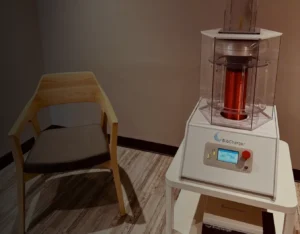
EBOO therapy involves extracorporeal circulation, meaning blood is temporarily processed outside the body. Because of this, treatment must be performed by professionals trained in sterile technique, IV therapy, oxygen and ozone calibration, circulatory flow management, and patient monitoring.
Our Gillette and Sturgis locations use medical-grade oxygen and ozone generators and follow strict clinical standards to ensure accurate dosing and patient safety.
EBOO vs 10 Pass Ozone Therapy: Safety Comparison
Many patients researching EBOO therapy also explore 10 Pass ozone therapy, another form of high-dose ozone treatment. While both therapies are used in integrative medicine, they differ in how ozone is delivered and how the body experiences the treatment.
EBOO therapy offers continuous, gentle blood flow with built-in filtration and a lower-pressure environment, resulting in steady oxygen-ozone exposure and minimal circulatory stress. In contrast, 10 Pass ozone therapy relies on repeated pressurized cycles and does not include filtration.
Both therapies are considered safe when administered correctly, but EBOO often provides a gentler experience for patients who may be sensitive to pressure changes or circulatory shifts.
To learn more about how each therapy works, visit:
How EBOO Therapy Works
What to Expect During an EBOO Session
Most patients describe EBOO therapy as calm and relaxing. A typical session begins with a review of lab work and medical history, followed by IV placement similar to routine blood work.
Blood circulates through the EBOO system for approximately 45 to 60 minutes, during which filtration and oxygen-ozone exposure occur. Treated blood is then returned gently to the body, and patients are monitored briefly afterward.
Most patients resume normal activities immediately following treatment. Staying well hydrated before and after therapy is encouraged.
If you are preparing for dental surgery or want to support recovery, explore:
EBOO for Dental Healing
How Our Clinics Monitor Safety in Gillette and Sturgis
Our team follows strict safety protocols during every EBOO session, including continuous monitoring of vital signs, sterile equipment and environment, precise ozone calibration, licensed medical oversight, and thorough pre- and post-treatment evaluations.
Patients from Campbell County, the Black Hills region, Spearfish, Belle Fourche, Deadwood, and surrounding communities trust our clinics for professional ozone therapy care.
Is EBOO Safe for Long-Term Use?
When proper screening is maintained and medical oversight is consistent, EBOO therapy is considered safe for periodic or ongoing use. Treatment frequency varies based on patient goals, response, and overall health.
For guidance on candidacy, visit:
Who Benefits From EBOO Therapy
Schedule a Safety Evaluation
If you are considering EBOO therapy and want to understand whether it is appropriate for you, our medical team is here to help.