(307) 682-3100
(605) 206-2077
Teeth can take a beating at night. Many people wake up with jaw soreness, tooth sensitivity, or a dull headache and assume it is something they just have to live with.
That is not always true. Nightguards for teeth can help protect enamel, fillings, jaw joints, and muscles from repeated clenching and grinding during sleep.
It is not a cure for every cause of jaw pain or tooth wear. But in the right situation, it can be an important part of protecting your teeth and supporting a larger treatment plan.
Synergy Dental Center in Gillette, WY, offers a biologic exam that looks at oral and whole-body factors, the kind of thorough evaluation many patients with nighttime grinding need.
A nightguard helps protect teeth from grinding and clenching during sleep. Dentists often call this pattern bruxism, especially when it happens unconsciously at night.
The appliance helps spread biting forces more evenly and reduces direct tooth-on-tooth contact. That may lower the risk of enamel wear, small fractures, worn fillings, and muscle tenderness. For many patients, that kind of barrier offers effective protection against ongoing damage.
In some cases, a nightguard may also help reduce irritation in the temporomandibular joints, or TMJs. A dentist may recommend TMJ treatment when joint pain, clicking, or limited opening is part of the problem.
A guard does not always stop the clenching itself. Often, it protects the teeth and jaw while a dentist looks at the bigger picture, including stress, bite patterns, sleep issues, and existing dental damage.
Sometimes exercises that retrain tongue and facial muscle patterns may also help. Ask whether myofunctional therapy is relevant in your case.
Some signs build slowly. Others show up first thing in the morning and keep coming back.
You may benefit from a dental evaluation if you notice morning jaw pain or frequent headaches, especially when they happen with tooth sensitivity or flattened tooth edges. These signs can suggest nighttime clenching or grinding, though they do not confirm it by themselves.
Other common signs include:
Some patients have no pain at all and only learn about the problem during a routine exam. A dentist may notice wear facets, enamel loss, gumline stress, or fracture lines before symptoms become obvious.
Night grinding is easy to overlook because it happens out of sight. Patients may be told the damage is minor, cosmetic, or just part of aging, even when the teeth clearly show signs of repeated force.
That delay can be costly. Small cracks can deepen, restorations can fail, and muscle strain can become a daily problem before the cause is clearly identified.
When a patient keeps waking with jaw tension, fractured dental work, or unexplained sensitivity, it makes sense to look for the cause instead of treating the damage as normal.
Not all nightguards fit or function the same way. The biggest difference is whether the guard is custom-made by a dental office or bought over the counter.
| Type | How It Fits | Main Advantages | Main Limits |
| Stock guard | Pre-made, limited sizing | Easy to buy quickly | Often bulky, poor fit, may feel unstable |
| Boil-and-bite guard | Softened at home and shaped in the mouth | More adaptable than stock versions | Fit may still be uneven, durability varies |
| Custom dental nightguard | Made from impressions or digital scans | More precise fit, better comfort, often better long-term protection | Higher cost, requires dental visit |
A custom guard is often the best option when symptoms are ongoing, the bite is complex, or there is already visible tooth damage. A more precise fit usually makes the appliance easier to wear and more reliable over time.
Over-the-counter options may help as a short-term step for some people. They are less ideal when there is heavy clenching, jaw joint pain, dental implants, orthodontic movement, or several crowns and fillings.
Patients often assume softer means better. Comfort matters, but the right material depends on the amount of force, the condition of the teeth, and how the jaw functions during sleep.
Soft guards may feel easier to tolerate at first. They can work for mild cases, but they may not hold up well for people who clench heavily.
Hard acrylic-style guards are more durable and are often used when wear is advanced or the bite needs more controlled support. They may feel less forgiving at first, but they often provide more stable protection for heavy grinders.
The right choice should come from an exam, not guesswork. Material, thickness, and design all affect how the appliance performs.
A nightguard should be based on a real diagnosis, not just a symptom list. Tooth wear can come from grinding, but it can also relate to acid erosion, bite changes, missing teeth, or habits that overload certain areas.
A dentist may examine:
In some cases, the dentist may ask whether snoring, daytime fatigue, or interrupted sleep are also present. If you want to understand that condition better, read what sleep apnea is.
That matters because sleep-disordered breathing can overlap with clenching, and bruxism may be linked to sleep apnea. A nightguard alone may not address the full problem.
When breathing issues are suspected, dental sleep apnea care or oral appliance therapy may be part of the conversation so treatment is safe and effective.
This is where careful diagnosis matters. A nightguard offers protection, but it does not replace a personalized evaluation.
Most patients notice the appliance for the first few nights. That is normal, especially with a custom guard that fits closely around the teeth.
A well-made nightguard should feel secure, not loose or sharp. Mild adjustment is common, but ongoing pain, gagging, pressure on specific teeth, or a major bite change after removal should be reviewed by the dentist.
Follow-up matters. Even a custom appliance may need small adjustments so it sits evenly and does not create new pressure points.
A nightguard can protect teeth, but it does not replace a full workup when symptoms are severe or unusual. Some pain patterns point to more than simple grinding.
Seek prompt dental care if there is a cracked tooth, facial swelling, or severe pain with biting. Those symptoms may suggest infection, a significant fracture, or another urgent problem that a guard will not fix.
In those cases, repairs often come first and can be coordinated with protective care like a nightguard. Ask about restorative dentistry when damaged teeth need treatment.
A dental or medical evaluation is also important when there is jaw locking, limited opening, ear-area pain that keeps worsening, numbness, or repeated appliance breakage. If symptoms are paired with loud snoring, choking during sleep, or major daytime sleepiness, review the signs of sleep apnea and ask whether broader care is needed.
The point is simple. Protection helps, but protection without diagnosis can leave the real issue untreated.
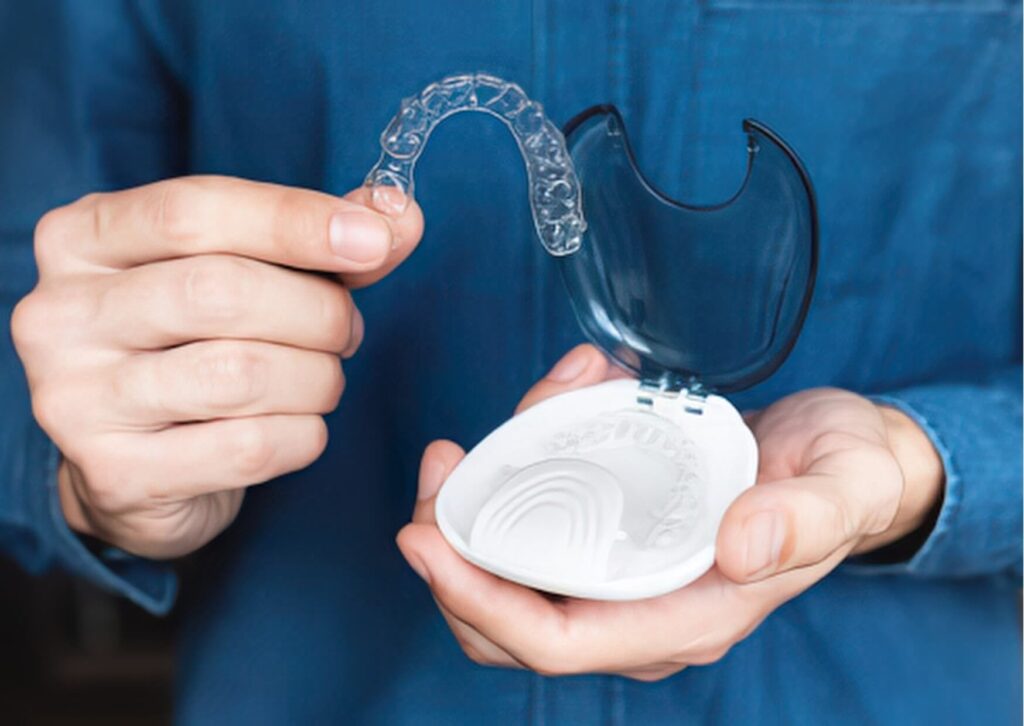
A nightguard works best when it stays clean and intact. Rinse it after use, clean it as directed by the dental office or manufacturer, and store it in a ventilated case.
Heat can warp the material, so keep it away from hot water, hot cars, and direct sunlight. Bring the appliance to dental visits so the fit and wear can be checked over time.
If it becomes cracked, rough, loose, or misshapen, have it reassessed rather than forcing it back into use. A damaged guard may no longer protect the teeth properly.
Too many patients do not get answers until nighttime grinding has already caused visible damage. A better approach is earlier recognition, a careful exam, and a nightguard designed for the actual pattern of force in the mouth.
When symptoms, wear, or broken dental work keep showing up, it makes sense to ask for a clear evaluation instead of waiting for the damage to worsen. If breathing problems may be involved, learning about the benefits of sleep apnea treatment can help you understand why a broader plan matters.
If you suspect grinding or clenching is wearing down your teeth, a dentist can help determine whether a nightguard is appropriate and whether anything else needs attention first. Consider starting with a biologic exam so the cause can be diagnosed rather than simply masked.
At Synergy Dental Center in Gillette, WY, our biologic exam evaluates the oral and whole-body factors that drive nighttime grinding; we also serve patients from Rapid City and Spearfish, so call (307) 682-3100 to schedule.
No. A retainer is mainly designed to help maintain tooth position after orthodontic treatment, while a nightguard is designed to protect the teeth and sometimes reduce strain from grinding or clenching. Using the wrong device may not give enough protection and may not address the forces causing the problem.
Not always. A nightguard may help some causes of jaw strain, especially when clenching is part of the picture, but TMJ pain can have several causes. Jaw joint symptoms that persist, worsen, or include locking should be evaluated rather than self-treated.
It may be acceptable as a temporary option for some mild cases, but it is often less precise than a custom appliance. If there is significant wear, repeated breakage, jaw pain, or a complicated bite, a dental evaluation is the safer choice.
That depends on the material, fit, and how strongly a person clenches or grinds. Some last for years, while others wear down faster under heavy force. Regular dental checks help determine whether the appliance is still protecting the teeth effectively.
Not without knowing why the tooth hurts. Pain in one tooth may come from a crack, decay, bite trauma, infection, or another issue that needs examination. A nightguard may be part of treatment in some cases, but isolated tooth pain should not be assumed to be simple grinding.
Ozempic does not appear to directly damage teeth or weaken enamel as a drug effect on the tooth itself. The…
If you are comparing veneers cost by location, you will quickly see that pricing can vary a lot. Veneers are…
An impacted wisdom tooth is a third molar that cannot fully come in the normal position. It may stay trapped…