(307) 682-3100
(605) 206-2077
Healthy gums support strong teeth and lasting oral health. Synergy Dental Center provides personalized gum disease treatment to address periodontal concerns and protect your smile. With offices in Gillette, WY, and Sturgis, SD, professional care is available close to home.
Gum disease can progress when it is left untreated. Early-stage gum inflammation may develop into periodontitis, a more advanced form of periodontal disease that can affect the tissues and bone supporting your teeth.
Seeking professional care when you first notice changes in your gums may make the condition easier to manage and help protect your oral health. Rather than waiting for symptoms to become more noticeable, schedule an evaluation if you have ongoing concerns about your gums.
In some cases, advanced oral health concerns may require additional procedures beyond routine periodontal care. When appropriate, your dental team can discuss related services such as teeth pulling and extraction or oral surgery based on your individual needs.
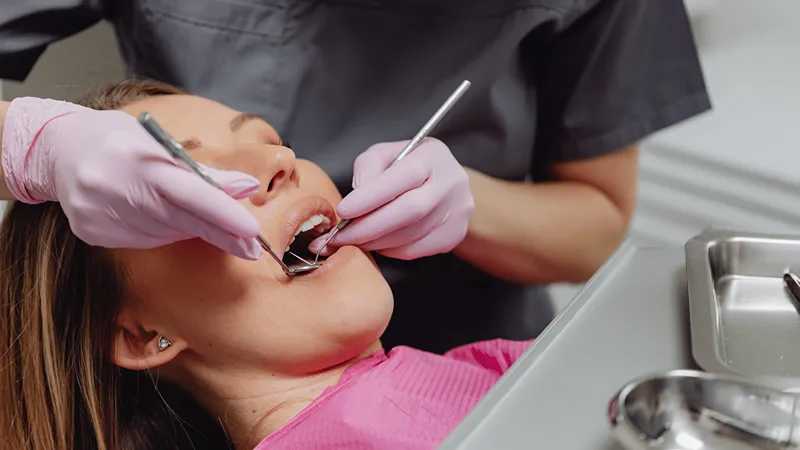
A gum health visit allows our team to evaluate your oral health, identify potential concerns, and recommend care tailored to your needs.
Your visit begins with a review of your oral health history and any symptoms or changes you have noticed. Sharing these details helps your dental team better understand your concerns and plan an appropriate evaluation.
Your provider will examine your gums and surrounding tissues for signs of inflammation or other periodontal concerns. This assessment helps determine the current condition of your gums and whether additional treatment may be recommended.
After your evaluation, your dental team will explain their findings and discuss appropriate treatment options based on your needs. You can also ask questions and receive personalized guidance for maintaining your gum health at home.

Professional care is an important part of maintaining healthy gums, but daily oral hygiene also plays a role. Brush your teeth twice a day and clean between your teeth every day. Maintain your recommended dental appointments and follow any personalized instructions provided by your dental team.
Avoiding tobacco products can also support better oral health and healthier gums.
Bleeding, swelling, tenderness, or other changes in your gums should not be overlooked. Professional evaluation can help identify periodontal concerns and determine whether treatment may be beneficial.
501 W Lakeway Rd, Gillette, WY 82718, United States
Office Hours: Monday: 8 AM–5 PM; Tuesday–Thursday: 7:30 AM–3:30 PM; Friday–Sunday: Closed
850 Main St, Sturgis, SD 57785, United States
Office Hours: Monday–Thursday: 8 AM–4 PM; Friday–Sunday: Closed
Research has linked advanced gum disease with certain systemic health conditions. Your dental provider can discuss how periodontal health may relate to your overall wellness.
A dental professional may use periodontal measurements, X-rays, and clinical findings to assess your gums and supporting structures. These evaluations help determine the extent of disease and guide treatment.
Periodontal pockets are spaces that form between the gums and teeth when gum tissue pulls away from the tooth. Deeper pockets may indicate advanced gum disease and require professional evaluation.
Advanced gum disease can weaken the tissues and bone supporting your teeth. As these structures are affected, teeth may become loose or shift.
The recommended frequency depends on your oral health, periodontal history, and risk factors. Your dental provider can recommend an appropriate schedule for ongoing gum care.