(307) 682-3100
(605) 206-2077
Severely damaged, decayed, or infected teeth may require removal when they cannot be restored. Synergy Dental Center provides tooth extraction in Gillette, WY and Sturgis, SD with individualized care. Our team will evaluate your tooth and recommend the appropriate treatment.
Preserving a natural tooth is often preferred when restoration is possible. However, extraction may be recommended when a tooth has sustained extensive damage or cannot be effectively treated. Common reasons for extraction include:
Depending on the tooth’s condition, root canal therapy may help preserve it instead of extraction, while complex cases may require oral surgery. Your dentist will evaluate the tooth and discuss the most appropriate treatment options.

Proper aftercare is an important part of recovery. Your dentist may recommend that you:
Some soreness or discomfort may occur after an extraction. Contact your dental office if symptoms worsen or seem unusual. Gum disease treatment can also help address periodontal concerns and support overall oral health.

The tooth extraction process involves careful planning, gentle removal, and personalized aftercare to support a smooth recovery.
Your appointment begins with an examination of the affected tooth and surrounding area. Dental imaging may be recommended to help evaluate the tooth and plan your treatment.
If extraction is appropriate, your dentist will explain the procedure and comfort options. Oral sedation may be available to help you feel more relaxed during treatment. The approach depends on the tooth’s condition, location, and accessibility.
After the tooth is removed, you will receive personalized instructions for caring for the extraction site and supporting proper healing.
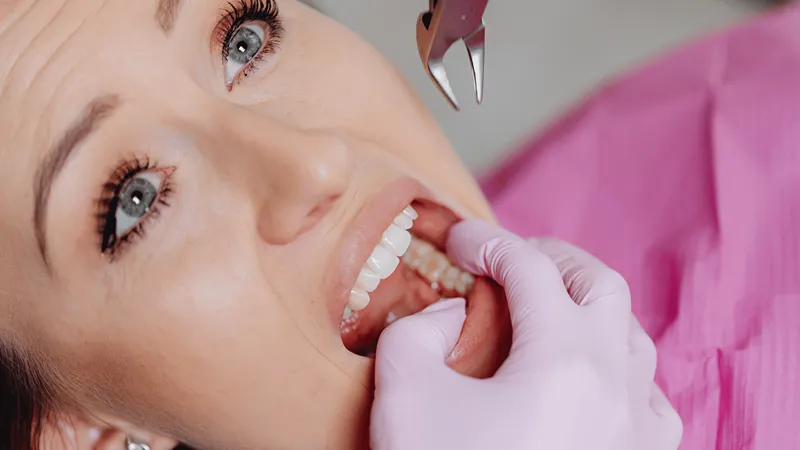
If a tooth is removed, your dentist may also discuss options for replacing it. Depending on your oral health, treatment needs, and personal preferences, potential solutions may include dental implants, bridges, or other restorative options.
Replacing a missing tooth can help restore dental function and support the overall balance of your smile. Your dentist can explain which options may be appropriate following an extraction.
A severely damaged or problematic tooth should not be ignored. A professional evaluation can help identify the cause of your symptoms and determine whether extraction or another treatment is appropriate.
501 W Lakeway Rd, Gillette, WY 82718, United States
Hours: Mon 8 AM–5 PM; Tue–Thu 7:30 AM–3:30 PM; Fri–Sun Closed
850 Main St, Sturgis, SD 57785, United States
Hours: Mon–Thu 8 AM–4 PM; Fri–Sun Closed
Whether you can drive afterward depends on the type of anesthesia or sedation used. Follow your dentist’s instructions regarding transportation and activity after treatment.
The transition back to your regular diet depends on how the extraction site is healing. Your dentist can recommend when it is appropriate to resume your usual foods.
Removing a tooth can change the spacing and alignment of surrounding teeth over time. Your dentist can discuss whether replacement or other treatment is recommended.
Follow any instructions provided by your dental team regarding eating, medications, and transportation before your appointment. Be sure to share your complete medication and health history.
Removing a severely compromised tooth may help prevent the problem from continuing to affect surrounding areas. Your dentist can explain the potential benefits based on your specific condition.