(307) 682-3100
(605) 206-2077
Retainers help maintain tooth alignment after orthodontic treatment and preserve your smile. Synergy Dental Center offers personalized retainer care at our Gillette, WY, and Sturgis, SD, offices. Our team can recommend the right retainer for your needs.
Retainers are dental appliances designed to keep teeth in their corrected positions after orthodontic treatment. They help maintain the alignment achieved with braces or clear aligners.
The American Dental Association's guidance on braces and orthodontic treatment notes that retainer wear typically follows orthodontic treatment to help maintain tooth position.
Teeth can shift over time, making consistent retainer use important for maintaining orthodontic results. Your recommended retainer plan may depend on:
If your retainer is lost, damaged, uncomfortable, or no longer fits properly, schedule an evaluation. Your dental provider can assess your alignment and recommend the appropriate next step.
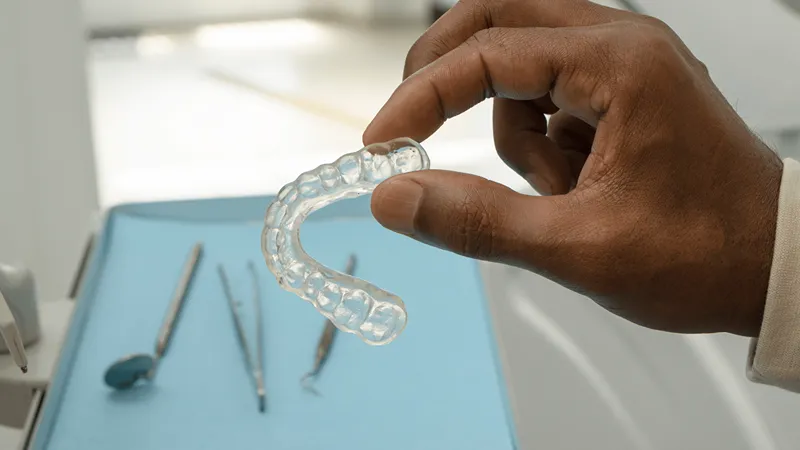
Retainers can become damaged, worn, lost, or uncomfortable over time, and changes in tooth position may affect their fit.
Consider contacting Synergy Dental Center if your retainer:
If a retainer no longer fits comfortably, do not force it into place. Contact your dental provider for an evaluation and appropriate recommendations.
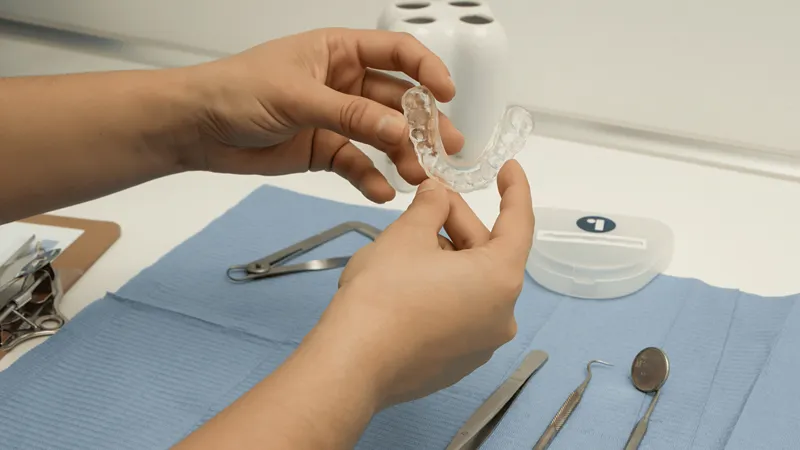
Synergy Dental Center offers professional retainer care at its Gillette, WY, and Sturgis, SD offices.
For patients seeking retainers in Gillette, WY, Synergy Dental Center provides evaluations and retainer care based on individual needs. Whether you need a replacement appliance or have concerns about your current retainer, our Gillette office can help determine the appropriate next step.
Patients searching for retainers in Sturgis, SD, can receive personalized care at our Sturgis office. Our dental team can evaluate existing retainers, address fit concerns, and determine whether a new or replacement appliance may be appropriate.

Your provider can recommend the retainer type that best supports your smile and treatment needs. Patients who have completed treatment with Invisalign may also require retainers to help maintain their new tooth alignment.
Removable retainers can be taken out for eating, brushing, and flossing. Follow your provider’s wear and care instructions to keep the appliance clean and effective.
Fixed retainers are bonded to the teeth and remain in place for continuous retention. They require careful brushing and flossing around the bonded areas to support good oral hygiene.

Your appointment includes a review of your dental and orthodontic history, along with an evaluation of your teeth and existing retainer. For those who have completed Invisalign treatment or another orthodontic approach, the provider can assess current alignment and discuss appropriate retention.
If needed, measurements or impressions can be taken for a new or replacement retainer, followed by guidance on proper wear and care.
Maintaining your results also means following recommended retainer instructions and attending dental visits as advised. If you completed treatment with clear aligners, ask your dental provider about the appropriate retention plan for your smile.
Retainers are an important part of maintaining orthodontic results after treatment. Consistent use, proper care, and professional guidance can help support your tooth alignment over time.
The timeline can vary depending on the type of retainer and the process used to create it. Your dental team can provide an estimated timeframe during your appointment.
Retainers may be recommended in certain situations even without traditional braces. A dental evaluation can determine whether retention is appropriate for your smile.
Yes, retainers can be made from different materials depending on their design and intended use. Your provider can explain the available options and recommend one based on your needs.
Having a backup appliance may be an option for some patients. Ask your dental provider whether an additional retainer would be appropriate for your situation.
Coverage for retainers varies among dental insurance plans and may depend on the reason for treatment. Contact your insurance provider and dental office to confirm your specific benefits and potential out-of-pocket costs.