(307) 682-3100
(605) 206-2077
If you are comparing veneers cost by location, you will quickly see that pricing can vary a lot. Veneers are thin custom coverings bonded to the front of teeth to improve color, shape, size, or minor alignment concerns.
Location affects cost because dental fees are influenced by local overhead, lab expenses, clinician training, and demand for cosmetic care. A veneer case in a large city is often priced differently than the same treatment in a smaller suburban or regional market.
Cost matters, but it should not be the only factor. The best value usually comes from careful diagnosis, realistic planning, and a dentist who clearly explains what veneers can and cannot fix during a cosmetic dentistry consultation.
Synergy Dental Center in Gillette, WY offers cosmetic dentistry services that include veneers and personalized cost estimates.
The biggest reason veneer prices change is local operating cost. Rent, staffing, equipment, and laboratory fees are often much higher in major urban areas, and those costs are reflected in treatment fees.
Dentist experience also affects price. A clinician who focuses heavily on aesthetic dentistry, uses detailed smile design records, and works with a high-quality ceramist may charge more than a general practice that places veneers less often.
Materials matter too. Porcelain veneers usually cost more than composite veneers because they require laboratory fabrication, more planning, and more clinical steps.
Composite veneers are often completed directly in the office. That can lower the upfront fee, but it may also affect stain resistance and long-term durability.
Regional demand plays a role as well. In areas where cosmetic dentistry is more common and patients expect highly customized results, pricing is often higher across the market, and these key factors usually work together rather than separately.
There is no single national fee for veneers, but there are common pricing patterns. Large metro areas and affluent neighborhoods often sit at the higher end, while smaller cities and regional towns may be lower.
Here is a general comparison patients often see when researching veneers. Actual fees still vary based on case complexity, material, and the number of teeth being treated.
| Location Type | Usual Pricing Pattern | What Often Drives the Difference |
| Major city center | Highest | Higher rent, specialist labs, cosmetic demand |
| Inner suburb | Moderate to high | Strong demand with somewhat lower overhead |
| Outer suburb | Moderate | Lower overhead with access to experienced dentists |
| Regional city | Moderate to lower | Lower operating costs, variable lab access |
| Rural area | Lower to moderate | Lower overhead, but fewer cosmetic-focused providers |
Patients often compare fees across neighborhoods in the same city and still find meaningful differences. A lower fee is not always the better value if the treatment plan is rushed, overly aggressive, or unclear.
A veneer quote may include the consultation, records, tooth preparation, temporary restorations, laboratory fabrication, fitting, and bonding. Some practices also include review visits and minor post-placement adjustments.
Other offices separate these costs. That is why it helps to ask for a written breakdown, especially if several teeth are involved.
A good estimate should explain whether the fee covers diagnostic photos, digital smile design, mock-ups, and replacement of old fillings if needed. These details can change the total cost more than many patients expect.
Cost is important, but the first question is whether veneers are the right treatment. Dentists usually evaluate the teeth, bite, gums, and smile line to see whether the main issue is color, shape, wear, spacing, or alignment.
The airway, jaw joints, and bite pattern can matter more than patients realize. If there is clenching, grinding, jaw strain, or unstable tooth contact, veneers may chip or wear sooner unless those issues are addressed in the treatment plan.
A biologic exam is often used to evaluate bite and jaw function as part of that assessment. A targeted myofunctional therapy assessment may also help identify tongue posture or muscle patterns that contribute to clenching and unstable bite contacts.
A dentist may also check for gum inflammation, untreated decay, enamel thickness, and habits like nail biting or chewing ice. These factors do not always rule out veneers, but they can affect the design, material choice, and long-term outlook.
Veneers sit on teeth that function within a larger system. If the bite places too much force on the front teeth, the restorations may be at higher risk of fracture, debonding, or edge wear.
This is one reason very low-cost cosmetic treatment can become expensive later. Aesthetic work that ignores function may look good for a short time but fail early.
The two main options are porcelain and composite. Both can improve appearance, but they differ in price, durability, stain behavior, and how they are made.
Composite veneers are usually less expensive upfront. They can be a reasonable option for small shape changes, minor chips, or patients who want a more conservative starting point.
Porcelain veneers usually cost more, but they often hold color better and can provide a more refined surface texture and light reflection. In many cases, they also last longer when they are well planned and properly maintained.
| Feature | Porcelain Veneers | Composite Veneers |
| Upfront cost | Higher | Lower |
| Number of visits | Usually more than one | Often fewer |
| Stain resistance | Better | Lower |
| Surface polish and translucency | More lifelike in many cases | Good, but often less stable over time |
| Repairability | May require replacement | Often easier to repair |
| Longevity | Often longer | Often shorter |
The right choice depends on goals, bite forces, budget, and how many teeth are involved. A careful dentist should explain the tradeoffs instead of pushing one option for every case.
If teeth are structurally compromised, restorative dentistry may be recommended instead of, or alongside, veneers. That can affect both the treatment plan and the final cost.
A low quote is not automatically a problem, but it should be clear what is being offered. If pricing seems far below the local market, ask whether the fee includes records, temporaries, lab work, and follow-up care.
It is also reasonable to ask how much tooth structure will be removed and whether alternatives were discussed. Veneers should not be presented as the answer to every cosmetic concern, especially when whitening, bonding, Invisalign clear aligners, or contouring may be more conservative.
Be cautious if there is pressure to treat many teeth without a clear reason. Larger cosmetic plans can be appropriate in some cases, but they should follow a careful exam and a clear discussion of risks, maintenance, and expected lifespan.
Treatment usually begins with a consultation, photographs, and an exam. Some dentists also take digital scans, impressions, or trial designs to preview shape and proportion.
If veneers are appropriate, the next step may involve minimal tooth preparation, though the amount varies by case. Temporary veneers may be placed while the final restorations are being made, especially for porcelain cases.
At the fitting visit, the dentist checks color, contour, bite contact, and gum response before bonding the veneers. A review visit may follow to confirm comfort and function.
The process can take longer in complex cases, especially when bite adjustments, gum contour changes, or pre-treatment alignment are needed. That extra planning may increase cost, but it often improves predictability.
The initial fee is only part of the financial picture. Veneers may need polishing, repair, or replacement over time, and the timeline depends on material, bite forces, oral hygiene, and habits.
Patients who clench or grind may be advised to use a protective night guard to reduce stress on the restorations. Evidence on the influence of bruxism supports addressing these forces early.
That adds cost, but it can help protect both veneers and natural teeth. Gum recession, edge wear, staining around margins, or changes in neighboring teeth can also affect how veneers look years later.
A realistic consultation should cover maintenance, not just the day-one result. That helps patients compare treatment options more accurately.
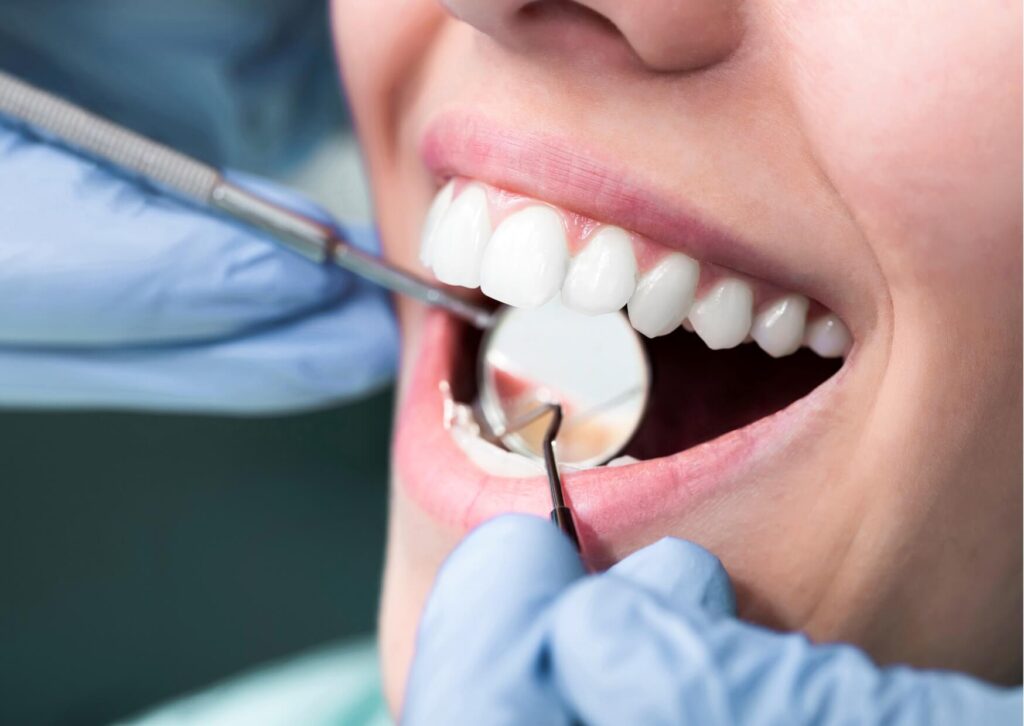
If a tooth being considered for a veneer is painful, sensitive, cracked, or has bleeding gums, it should be evaluated before cosmetic treatment moves forward. Cosmetic planning works best when the teeth and gums are stable.
After veneers are placed, seek prompt dental review if there is a sudden bite change, a loose veneer, sharp edges, swelling, or persistent pain. These symptoms do not always mean a serious problem, but they should not be ignored.
If jaw pain, frequent headaches, or heavy grinding are present, mention that early in the process. Those patterns can influence material choice and long-term success.
If sleep-related breathing problems are a concern, discuss oral appliance therapy as part of your evaluation. A useful veneer consultation should leave you with a clear diagnosis, a written estimate, and a realistic sense of what the result will require over time.
Synergy Dental Center provides cosmetic dentistry in Gillette, WY, and serves patients from nearby Rapid City and Sturgis; please call (307) 682-3100 to schedule a cosmetic consultation.
Fees are often higher in cities with greater rent, staffing costs, and laboratory expenses. Prices may also rise in areas where cosmetic dentistry is in high demand or where practices use more customized aesthetic workflows.
Sometimes, but lower cost should be weighed against follow-up access, repair logistics, and the quality of the diagnostic process. If adjustments are needed later, distance can make simple problems harder to manage.
Veneers are often considered cosmetic, so coverage may be limited or absent. Some exceptions may exist when a tooth has structural damage, but patients should confirm details directly with the insurer and dental office.
In most markets, yes. Composite veneers are usually less expensive upfront, though long-term maintenance and replacement patterns may differ.
That depends on smile width, tooth visibility, and the specific cosmetic concern. Some patients need only one or two veneers, while others consider several teeth for color and symmetry.
Ozempic does not appear to directly damage teeth or weaken enamel as a drug effect on the tooth itself. The…
If you are comparing veneers cost by location, you will quickly see that pricing can vary a lot. Veneers are…
An impacted wisdom tooth is a third molar that cannot fully come in the normal position. It may stay trapped…